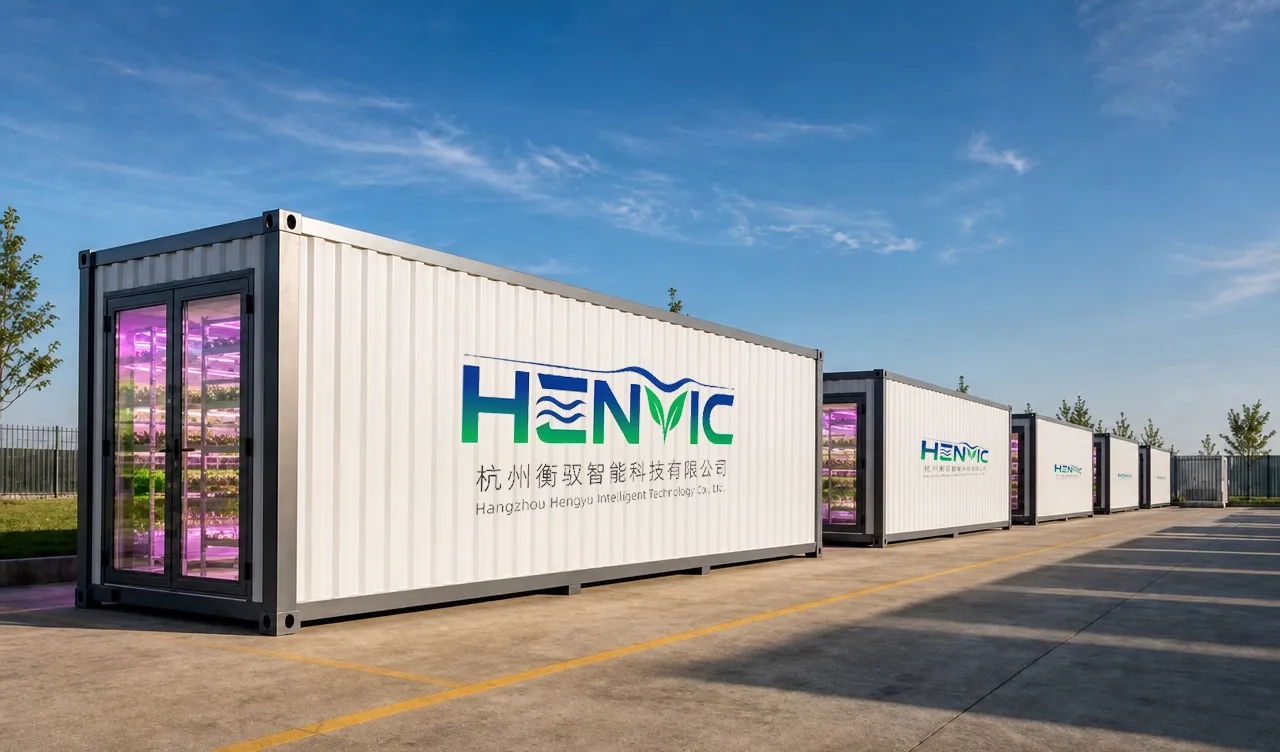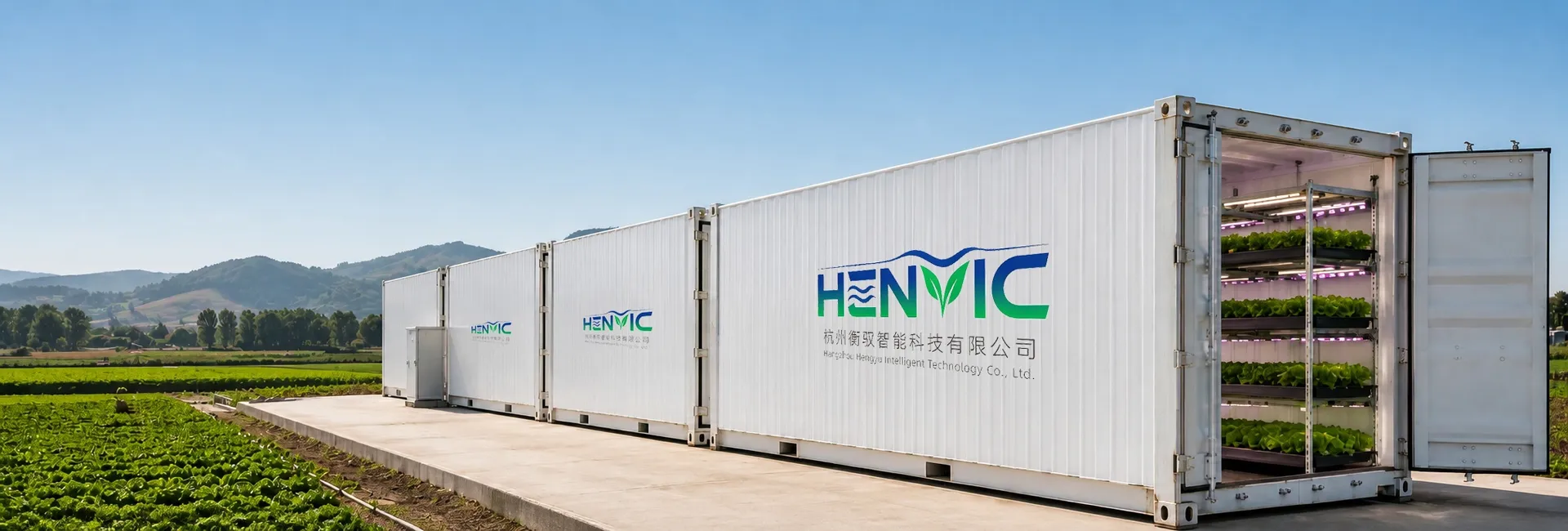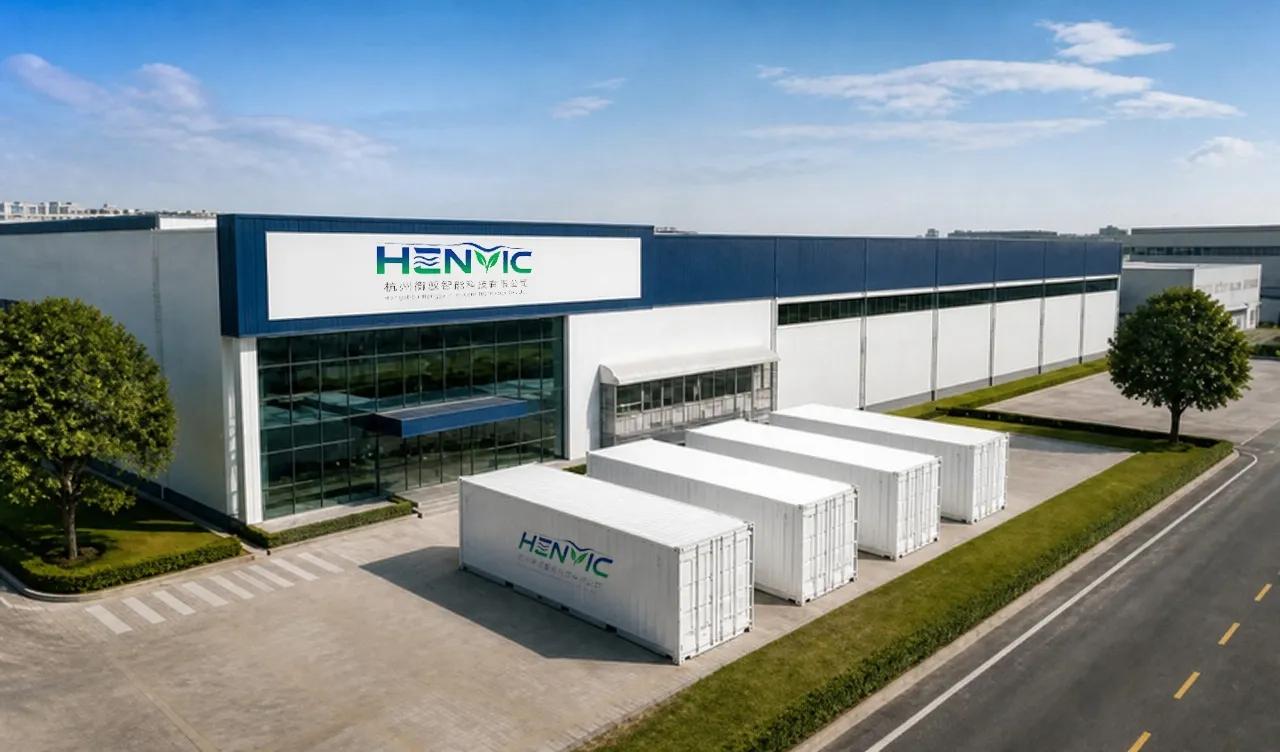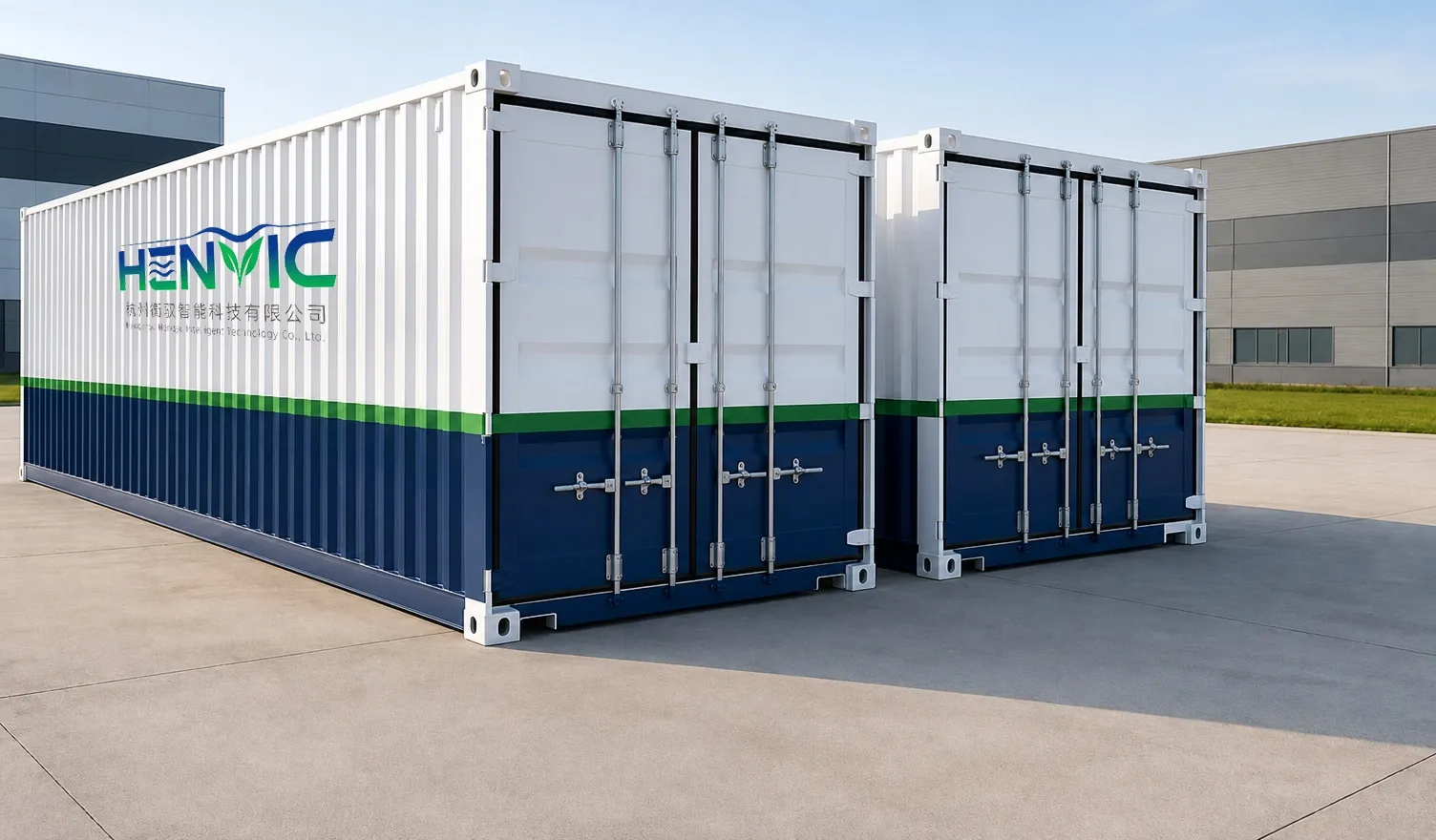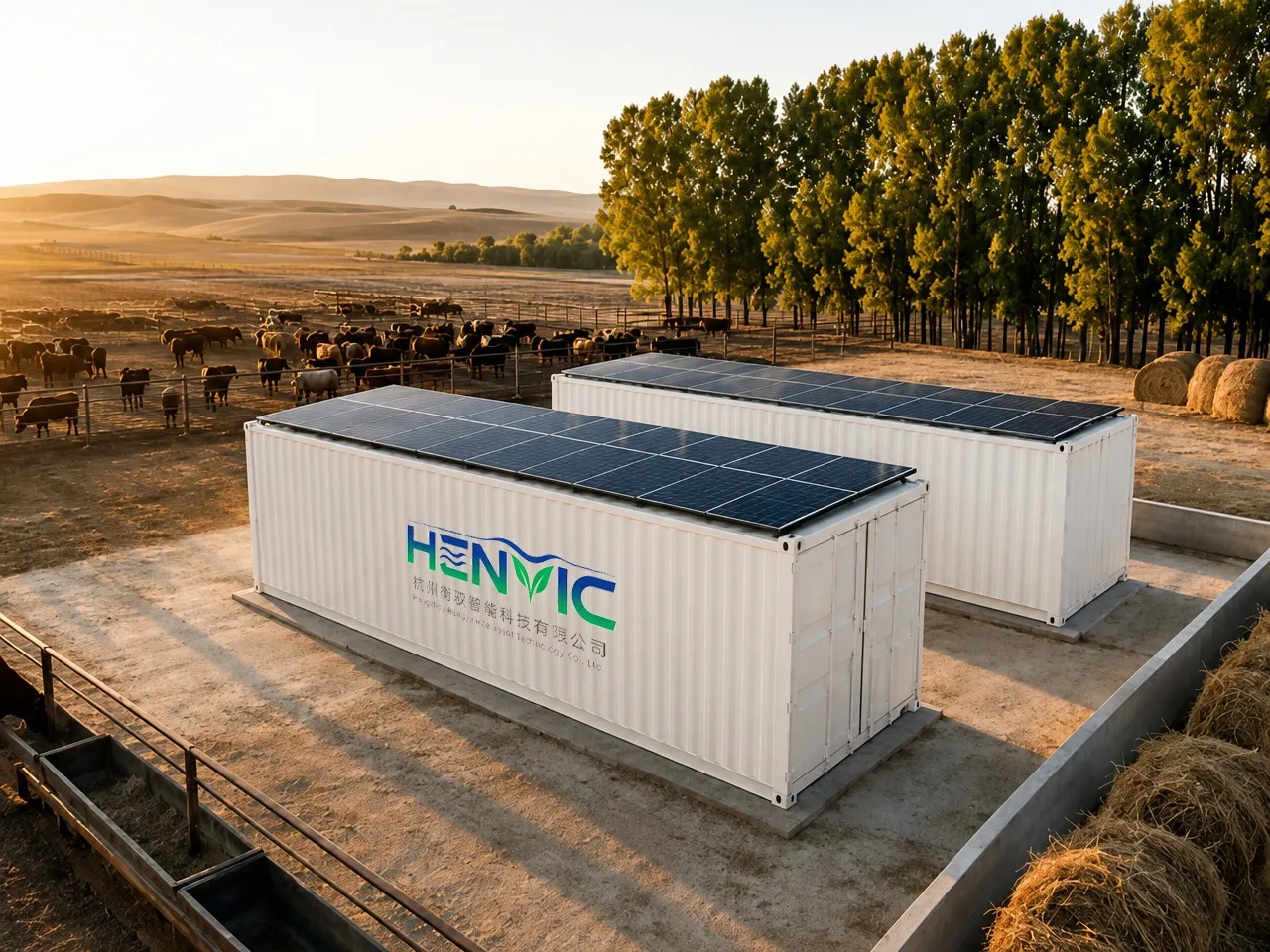
40 ft Mushroom Container Elm Oyster Mushroom Programme
PRODUCT OVERVIEW
Elm Oyster Mushroom is sensitive to contamination. Filtered fresh air and positive pressure keep wild spores out, and cleaning between flushes cuts cross-batch contamination.
The 3,200 bags sit on multi-tier racking with spacing set by bag height and fruiting room; a continuous picking aisle allows a full harvest without dismantling racks.
A ten-day cycle with three flushes per bag makes this the fastest-turning specialty species.
Agri-tourism sites turn fruiting into an attraction: visitors see Elm Oyster Mushroom move from bag to harvest and buy the day's pick on site.
CROP AND OUTPUT DATA
Species | Elm Oyster Mushroom (Specialty) |
Cultivation | Bag cultivation |
Flushes | 3 flushes |
Growing cycle | 10 days |
Yield | 0.6 kg per bag |
Load per cycle | 3,200 bags |
Monthly output | 1,920 kg |
Annual output | 23,040 kg |
Cycles per year | 12 |
Figures follow the 40 ft mushroom container baseline: 3,200 bags per cycle, or 83 m² of compost bed for button mushroom. Output is an estimate and varies with substrate quality, fruiting climate and harvest practice.
KEY ADVANTAGES
· Loading and harvest zones are separated to keep people and product flows apart.
· Condensation-controlled envelope keeps walls from dripping onto the beds.
· Fruiting at 12 - 24 °C and 85 - 95% RH, set per species and independent of outside weather.
· Softened humidification water reduces mineral spotting and water damage on caps.
· A 10-day cycle and 12 cycles a year allow the schedule to be split weekly.
· The 40 ft ISO shell ships on a flatbed and sets by crane or forklift.
· Species recipes are called from the controller, so a variety change needs no rebuild.
· Species can be combined to order; commodity and specialty crops share the same shell.
CONTAINER CONFIGURATION
Footprint | 12.0 x 2.45 x 3.0 m (40 ft container) |
Growing system | Bag cultivation |
Load per cycle | 3,200 bags |
Temperature | 12 - 24 °C, set per species |
Relative humidity | 85 - 95% during fruiting |
CO2 and fresh air | Capped per species; filtered air under slight positive pressure |
Lighting | Staged lighting for cap form and colour |
Humidification water | Softened to limit mineral spotting on caps |
Control and monitoring | PLC, touchscreen HMI, remote monitoring and alarms |
Delivery | Pre-commissioned at the factory, set and connected on site |
CLIMATE AND CONTROL
Humidification water is softened to limit mineral deposits on caps; floor drainage collects at one point, and cleaning uses fogging rather than heavy washing.
The refrigeration loop handles cooling and dehumidification while the humidification loop adds moisture independently. That split keeps high humidity without relying on low temperature, so caps neither dry nor sweat.
CULTIVATION AND SCHEDULING
Each batch ends with cleaning, disinfection and drying before the next bags enter; shorter downtime protects the 12-cycle annual capacity.
The standard schedule assumes 3,200 bags per unit and 10-day batches, giving 12 cycles a year. With several units, stagger loading weekly so harvest, packing and cleaning do not collide.
DELIVERY, TRAINING AND SERVICE
Multi-unit sites share pre-cooling and packing while each container controls its own climate, so species and batches run in parallel.
Remote support reads controller curves to diagnose contamination, humidity faults and equipment issues, resolving most without a site visit.
FREQUENTLY ASKED QUESTIONS
Where do the substrate bags come from?
Bags can be bought from industrial substrate suppliers or made in an on-site preparation area. Bag prices vary widely by species; secure rare-species supply in advance.
How many units can one operator manage?
One operator can cover daily rounds and harvest coordination for two to three units, with extra hands at loading and harvest peaks.
Is climate control difficult to operate?
The system runs the species recipe automatically; operators do rounds and handle alarms. The critical disciplines are softened water, positive pressure and thorough drying after cleaning.
How is contamination prevented?
Three layers: filtered air under positive pressure, incoming bag inspection, and between-batch sanitation. Suspect bags are isolated before entering the fruiting room.
CONTACT AND DATA NOTES
Hangzhou Hengyu Intelligent Technology Co., Ltd. designs, builds and delivers complete mushroom containers. Share your site conditions, target species and weekly volume, and we will return a layout, a batch schedule and a climate load estimate. Figures in this document use the 40 ft mushroom container (3,200 bags per cycle; 83 m² of compost bed for button mushroom) as the baseline and are estimates, not a performance guarantee.