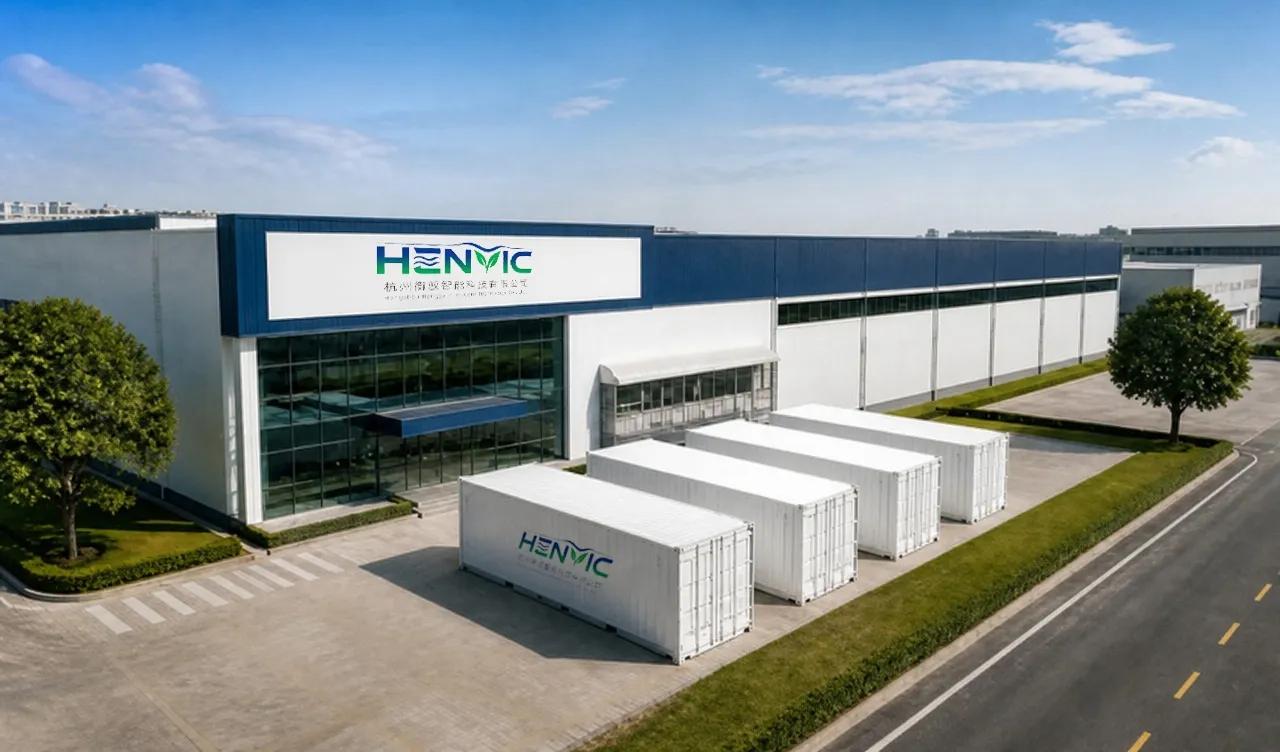
Container Plant Factory:40 ft Vegetable Container Farm Hydroponic Oat and Wheat Fodder Programme
PRODUCT OVERVIEW
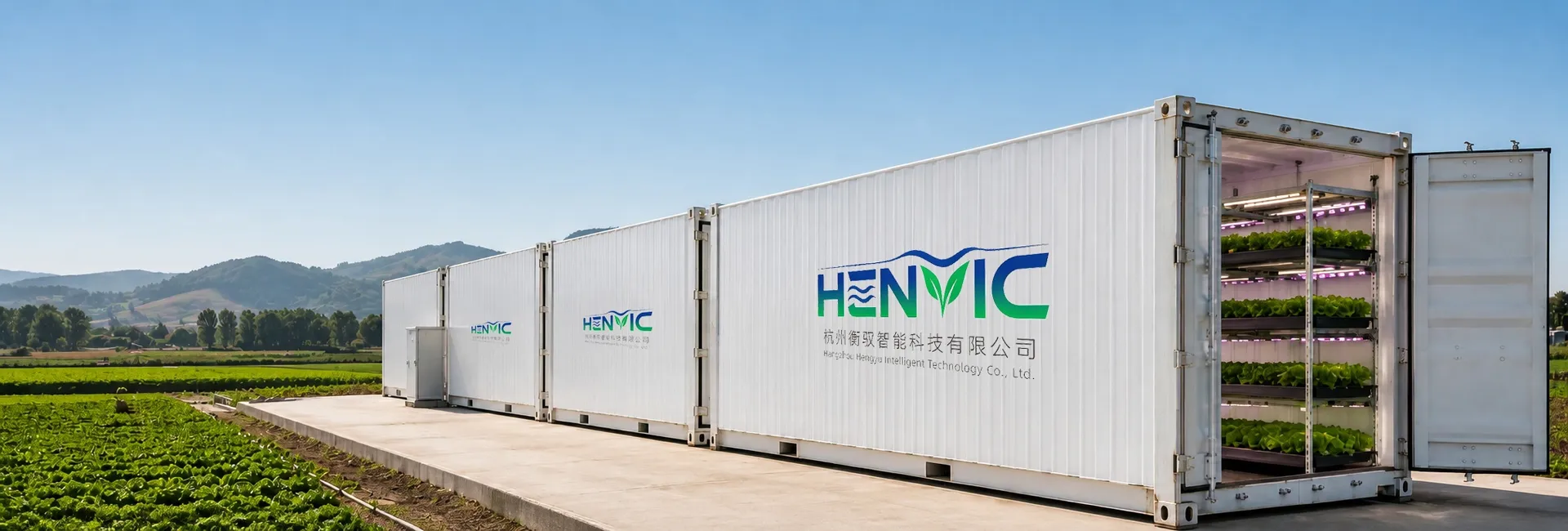
Based on a 40 ft standard unit with roughly five growing tiers, Hydroponic Oat and Wheat Fodder reaches marketable weight per cut and 2,400 - 3,200 kg per cycle, with 36 - 45 cycles a year. The same footprint delivers several times the output of open-field planting.
Tier heights and aisle width are set for standing work, so harvesting, replanting and cleaning avoid stooping and reduce fatigue over long shifts.
Rotating with wheat balances supply and suits farms building their own fresh-fodder line.
Schools use the unit as a working laboratory: students follow Hydroponic Oat and Wheat Fodder across its 8 - 10-day cycle, measuring light, EC and plant weight to understand how a plant factory works.
CROP AND OUTPUT DATA
Variety | Hydroponic Oat and Wheat Fodder (Fodder) |
Growing cycle (transplant to harvest) | 8 - 10 days |
Unit weight | marketable weight |
Plants per cycle | approx. 3,300 - 5,800 |
Yield per cycle | 2,400 - 3,200 kg |
Cycles per year | 36 - 45 |
Annual output (estimate) | 86,400 - 144,000 kg |
Propagation | Direct seeding |
Crop difficulty | Easy |
Figures follow the 40 ft standard container baseline with about five growing tiers. Yield per cycle and annual output are estimates; actual results vary with tier count, light recipe, CO2 level and crop management.
KEY ADVANTAGES
· The insulated envelope with fresh air and dehumidification holds recipe conditions all year.
· The closed hydroponic loop uses far less water than soil culture, which suits water-scarce sites.
· At 15 - 30 kg of fresh greens a day, one unit matches a mid-sized restaurant or community scheme.
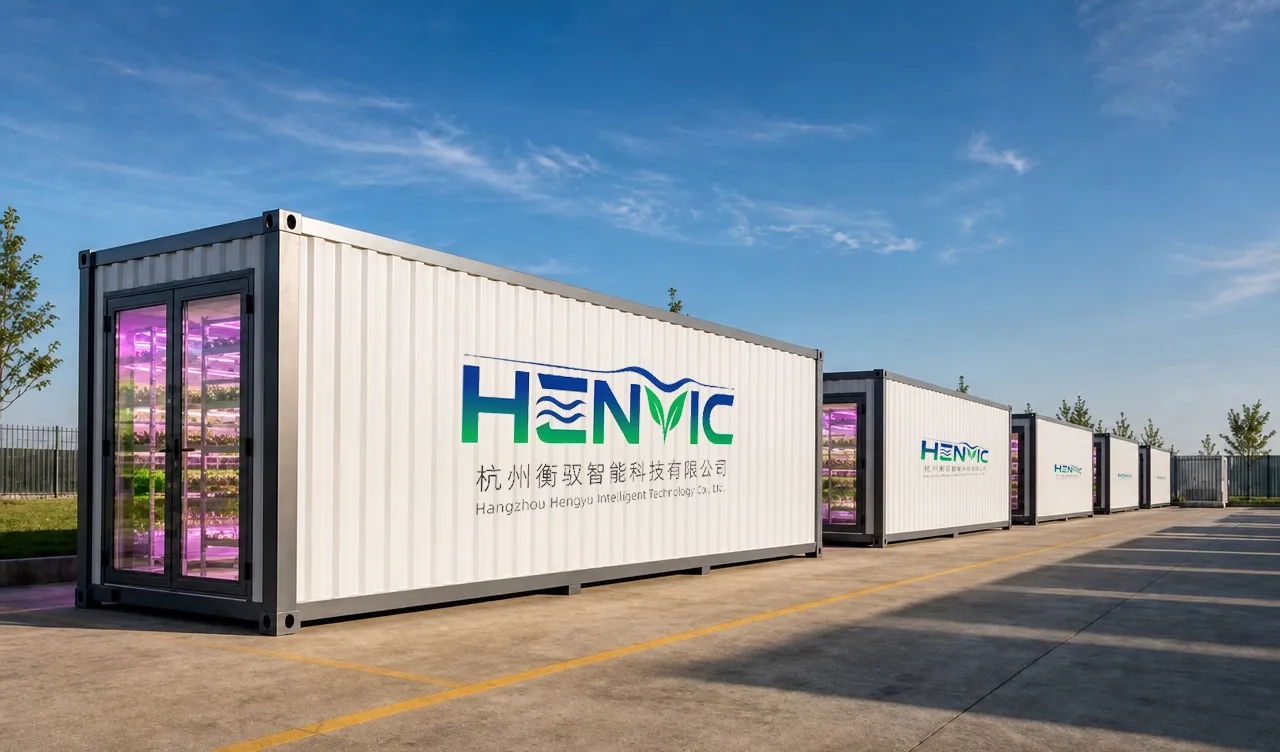
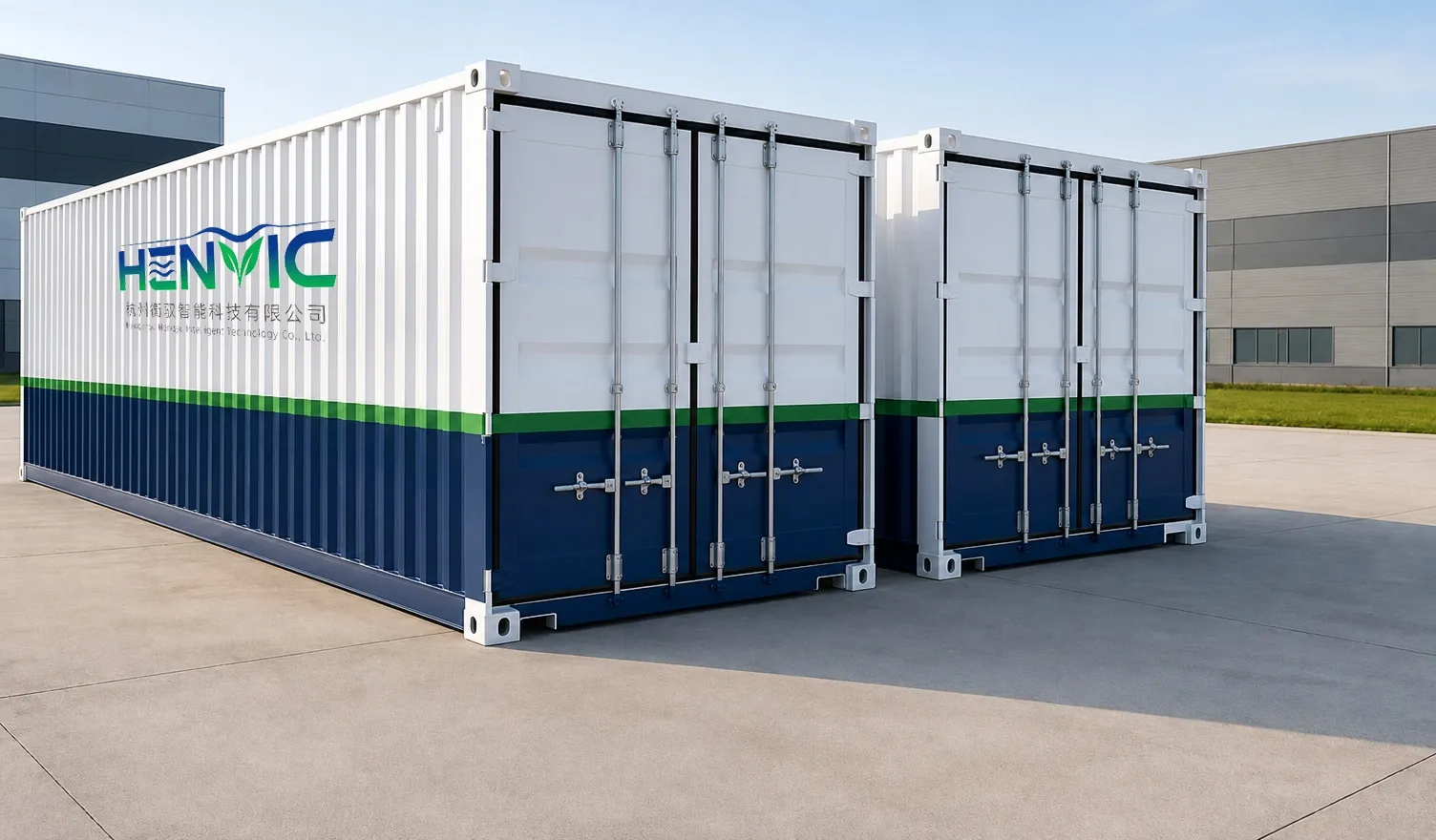
· The 40 ft ISO shell ships on a standard flatbed and is lifted into place on site.
· Batch records of temperature, EC, pH and light trace each harvest back to a specific tier.
· Controlled cycle: Hydroponic Oat and Wheat Fodder reaches harvest 8 - 10 days after transplant, more than 50% faster than open-field production.
· CO2 held at 800 - 1,200 ppm keeps photosynthetic efficiency stable.
· No soil in the room means clean leaves and less post-harvest washing.
CONTAINER CONFIGURATION
Footprint | 12.19 x 2.44 x 2.90 m (40 ft ISO container) |
Growing system | Approx. 5 tiers, hydroponic or aeroponic |
Scale per cycle | 3,300 - 5,800 plants |
Temperature | 18 - 24 °C, set per variety |
Relative humidity | 60 - 75% |
CO2 concentration | 800 - 1,200 ppm |
Lighting | LED recipe, dimmable per tier |
Nutrient solution | Closed loop with automatic EC and pH control |
Energy reference | 0.8 - 1.2 kWh per kg of fresh greens; electricity about 60 - 70% of operating cost |
Control and monitoring | PLC, touchscreen HMI, remote monitoring and alarms |
Delivery | Pre-commissioned at the factory, set and connected on site |
CLIMATE AND CONTROL
Lighting is specified per tier rather than per room. Independent dimming keeps the daily light integral similar on top and bottom tiers, avoiding stretch or pale leaves in the lower canopy.
Nutrient solution runs from the tank through pumps and manifolds to each tier and returns via filtration, disinfection and inline monitoring. EC and pH are corrected automatically against the recipe, removing manual mixing drift.
CULTIVATION AND SCHEDULING
The nutrient recipe shifts by stage: lower EC after transplant to encourage rooting, higher potassium and calcium later, and tighter water before harvest to improve shelf life.
The standard schedule assumes a 40 ft unit with about five tiers: plant one batch and harvest one batch each week, giving 36 - 45 Hydroponic Oat and Wheat Fodder cycles a year. Adjust to order structure and harvest labour.
DELIVERY, TRAINING AND SERVICE
Training centres on four tasks: planting and harvest, nutrient maintenance, recipe calls and common alarms. Most teams run shifts independently within a week.
Consumables are stocked regionally - filters, nutrient salts, plug trays and channel parts - with standard items shipped within five working days.
FREQUENTLY ASKED QUESTIONS
How many units can one operator manage?
Under a standard schedule, one operator can cover daily rounds, nutrient top-up and harvest coordination for two to three units, with extra hands at harvest peaks.
Can the operating data be exported?
The controller stores temperature, humidity, CO2, EC, pH and light by batch, exportable for order audits and origin documentation.
What is the typical energy consumption?
The industry reference for leafy greens is about 0.8 - 1.2 kWh per kilogram, with electricity around 60 - 70% of operating cost, varying with climate, tier count and light recipe.
Does the unit overheat in summer?
Insulation with cooling and dehumidification holds the set point; in extreme heat, specify extra cooling capacity and monitor root-zone solution temperature.
CONTACT AND DATA NOTES
Hangzhou Hengyu Intelligent Technology Co., Ltd. designs, builds and delivers complete container farms. Share your site conditions, target varieties and daily volume, and we will return a layout, a crop schedule and an energy estimate. Figures in this document use the 40 ft standard container (about five growing tiers) as the baseline and are estimates; output varies with tier count, light recipe, CO2 level and crop management, and is not a performance guarantee.