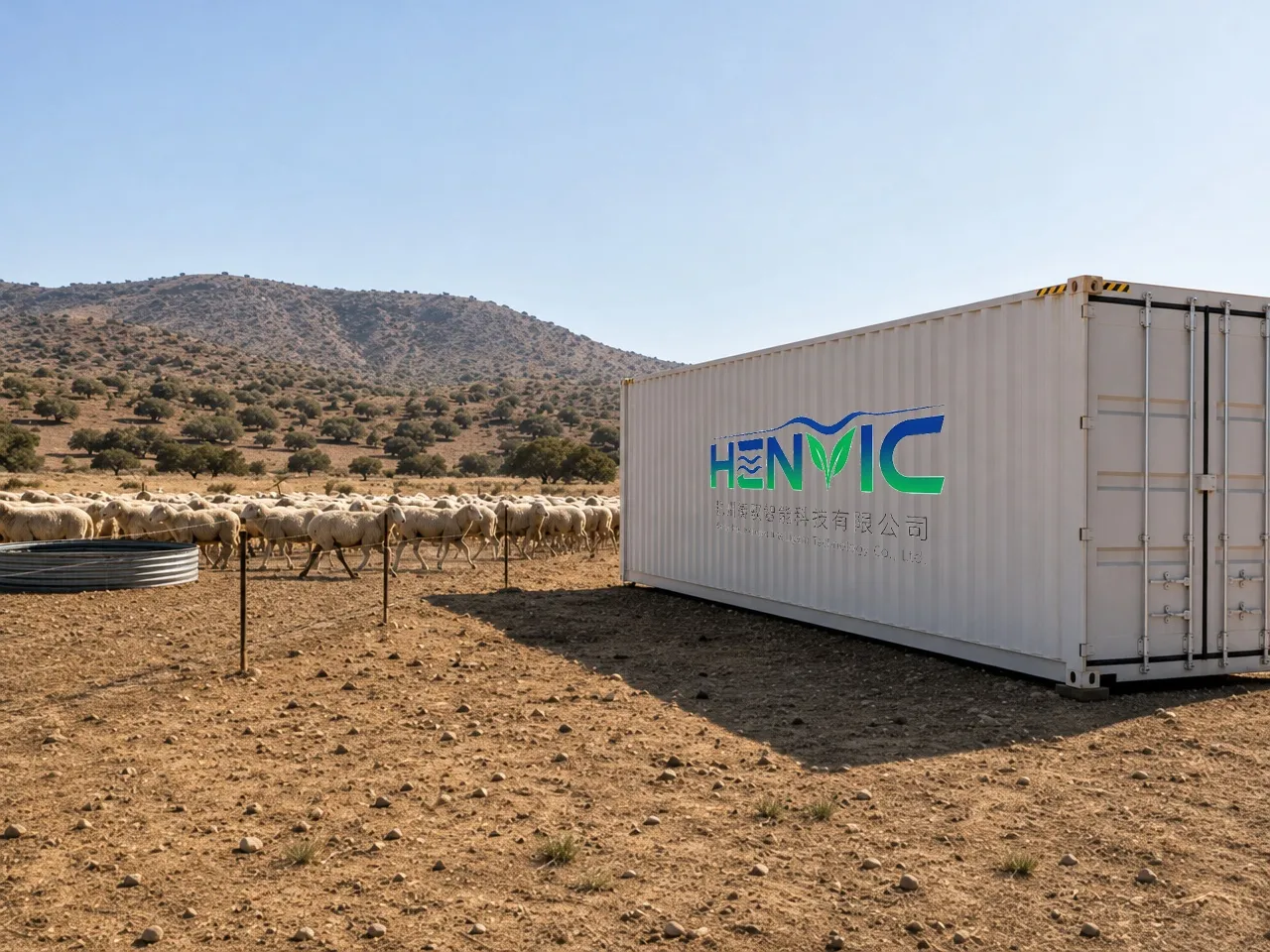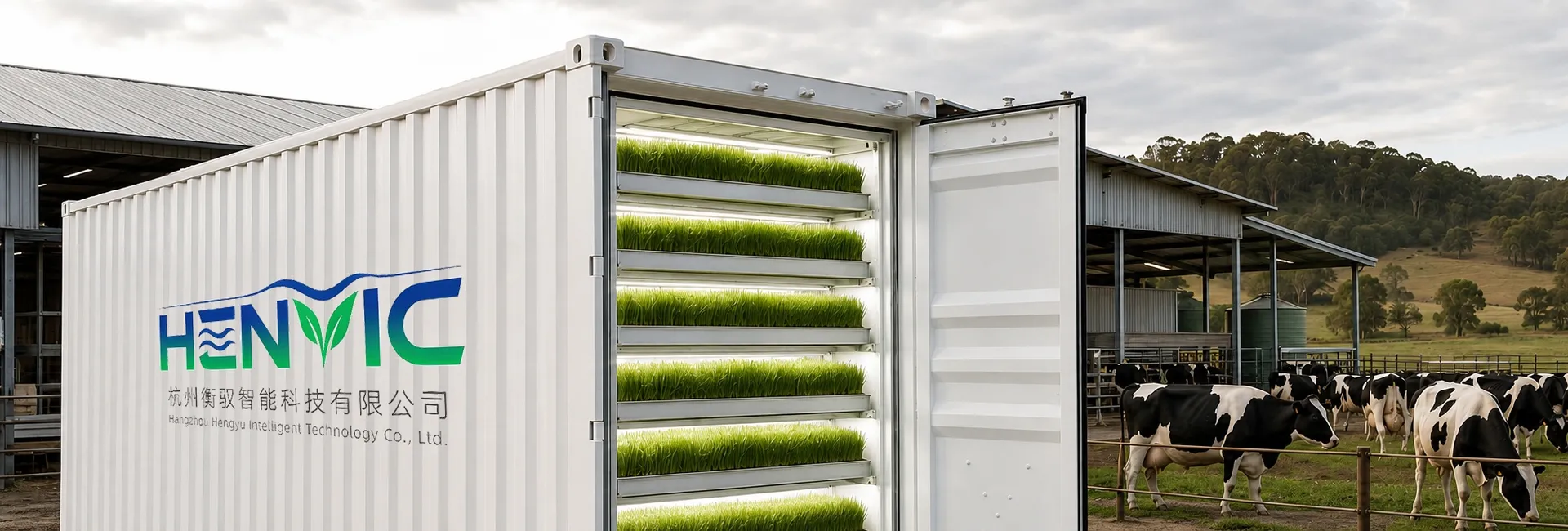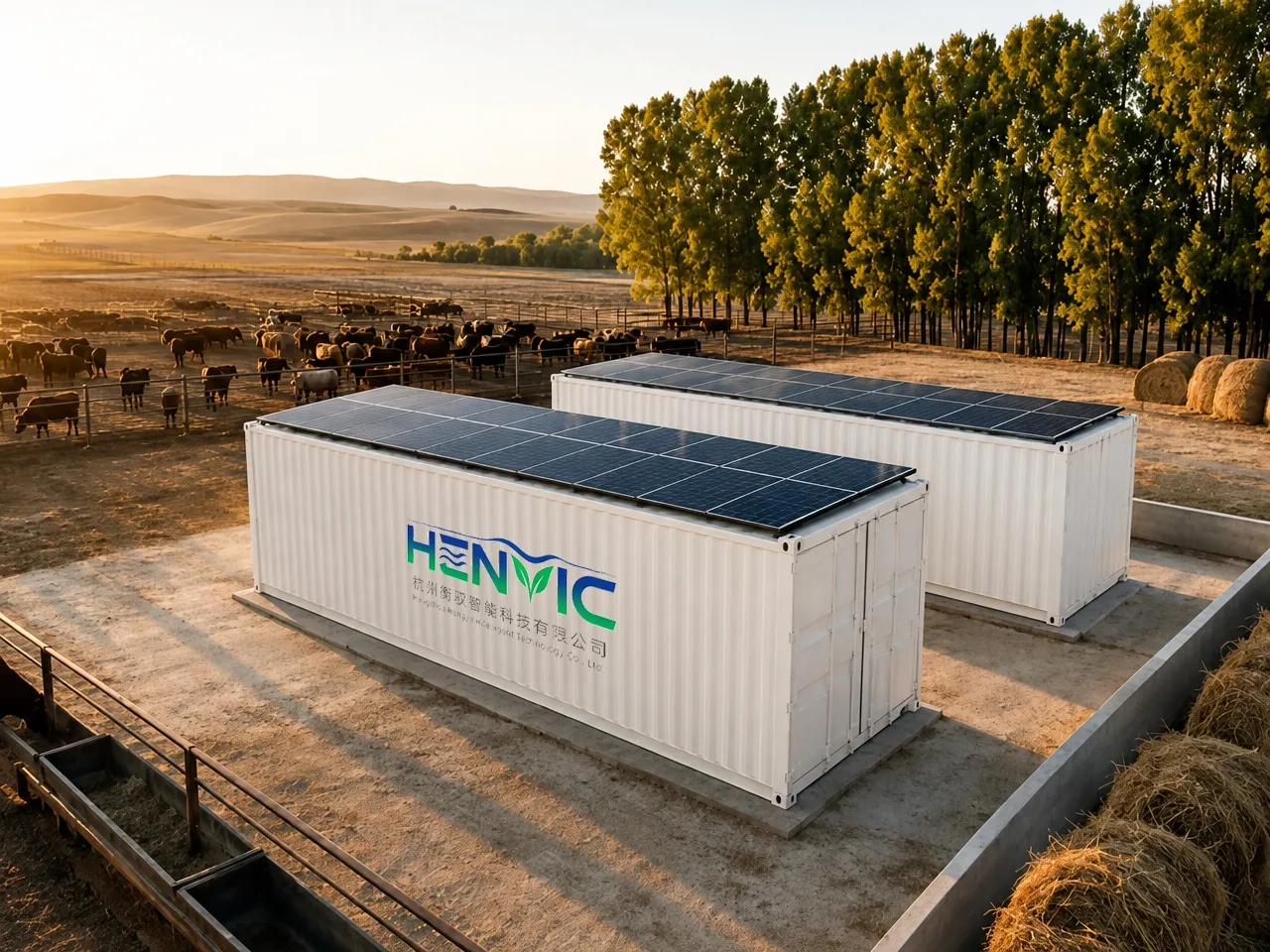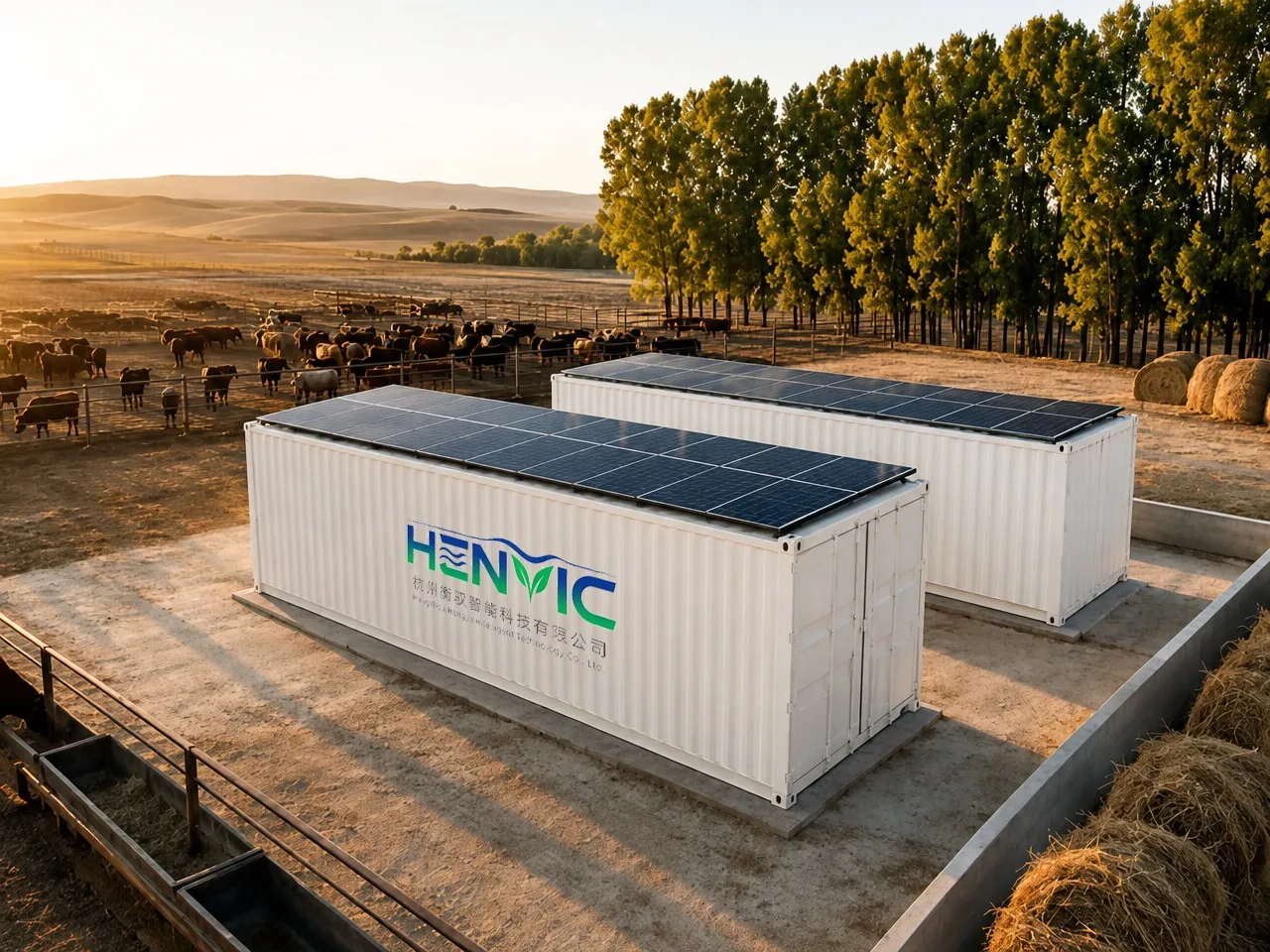
A container farm is one of the more elegant ideas in modern agriculture: take a standard 40-foot shipping container — roughly 12 meters long, 2.4 meters wide, and 2.9 meters high — and turn it into a fully enclosed, climate-controlled growing environment. Inside, crops grow without soil, under artificial light, suspended in stacked layers, monitored by sensors, and managed from a phone. The premise is disarmingly simple: replace land, climate, and season with energy and information. What follows is a look at how that premise actually holds up.
What It Is, and Where It Came From
Formally, a container farm belongs to the category of Controlled Environment Agriculture (CEA) — specifically, a compact, modular version of the plant factory. The concept draws on decades of research into soilless cultivation and horticultural lighting, but its commercial form took off once two things converged: high-efficiency LED lighting became cheap enough to make artificial photosynthesis economically plausible, and precision climate control became affordable enough to fit in a box.
The result is a growing system that is portable, stackable, deployable almost anywhere with power and water, and capable of running year-round. A container farm can sit on a rooftop in Singapore, in a parking lot in Chicago, in a former warehouse district, or on a research base in Antarctica. The crops don't know the difference — because the system is designed to make sure they never find out.
The Anatomy of a Container Farm
A working container farm is best understood as six interlocking subsystems, each solving a specific physical problem.
Growing system. Most container farms use hydroponics (nutrient solution circulating around roots), aeroponics (nutrients misted directly onto exposed roots), or a substrate-based approach. Aeroponics offers the highest water and nutrient efficiency; deep water culture and nutrient film technique are simpler and cheaper. Plants are fixed into multi-tier vertical racks, which is where the yield density comes from — the footprint stays the same while the growing area multiplies by the number of tiers.
Lighting. This is the heart of the system. LED arrays tuned primarily to red and blue wavelengths drive photosynthesis and shape plant morphology, while far-red and UV supplementation can be used to influence secondary metabolites, flavor compounds, and pigmentation. Because spectrum, intensity, and photoperiod are all programmable, the "sun" becomes a tunable parameter rather than an uncontrollable variable. This is arguably the single biggest conceptual shift in the whole model.
Climate control. Air conditioning, dehumidification, CO₂ enrichment, ventilation, and airflow management work together to hold temperature, humidity, and carbon dioxide concentration within narrow bands. Because the enclosure is sealed, pests and airborne pathogens are largely excluded — which is why container farms can operate with minimal or no pesticides.
Sensing and control. Temperature, humidity, EC and pH of the nutrient solution, light intensity, and CO₂ sensors continuously report data. Edge controllers or cloud algorithms adjust setpoints automatically, and operators monitor crop status, switch nutrient recipes, and receive alarms remotely.
Water and nutrient recycling. Nutrient solution is sterilized and recirculated, which is where the water efficiency story comes from: consumption is typically a small fraction of conventional field irrigation, making the model attractive in water-scarce regions.
Structure and insulation. The container shell itself is a critical component — it must be insulated against external temperature swings, sealed against contamination, and often modified with electrical, plumbing, and HVAC penetrations that would be unthinkable in normal shipping use.
Why It Works: The Value Proposition
The advantages cluster around four dimensions.
Time. No seasons, no weather. Harvest cycles run continuously, and annual crop turns can be several times what a field achieves.
Space. Vertical stacking means yield per square meter of floor area rises dramatically. More importantly, the farm can be placed where the consumers are — reducing the food miles from intercontinental to intercity, and preserving freshness in the process.
Resources. Water use drops sharply, fertilizer is recycled rather than leached away, and pesticide use approaches zero. Land requirements shrink to a concrete pad.
Control. This is the underrated advantage. When every variable is managed, quality becomes consistent — same size, same flavor, same harvest date, regardless of what's happening outside. For premium greens, herbs, and specialty crops, consistency is often worth more than volume.
The Honest Constraints
A credible article has to say where the model struggles, and the constraints are real.
Energy is the dominant cost. Lighting, cooling, and dehumidification together make electricity the largest operating expense in most container farms. This is the fundamental trade: the system exchanges free sunlight and free climate for paid electrons. Unless electricity is cheap or the crop is high-value, the economics get tight quickly. This is also why the model's carbon footprint is highly sensitive to the local grid mix.
Crop range is narrow. Container farms excel at leafy greens, herbs, microgreens, and strawberries — relatively low-growing, fast-cycling, high-value crops. Staple grains and calories-dense crops such as wheat, rice, and maize are not economically viable in this format, and they are not close to being so. Anyone claiming container farms can feed a city is overstating the case.
Capex and technical skill. The upfront investment is substantial, and the system demands a genuinely different skill set from conventional farming: electrical systems, HVAC, nutrient chemistry, data monitoring. A failed chiller or an unnoticed pH drift can wipe out a cycle.
Pollination and long-cycle crops. Fruiting crops that require pollination add another layer of complexity, often handled with introduced bumblebees or mechanical pollination — feasible, but another system to manage.
Scale limitations. A single container produces a meaningful but modest quantity of produce. Scaling means adding containers, which means multiplying the HVAC and electrical infrastructure — and the economics don't always improve with size the way industrial processes usually do.
Where Container Farms Actually Fit
The most credible applications are specific rather than sweeping.
Urban and peri-urban fresh production — supplying restaurants, grocers, and consumers with greens and herbs that would otherwise travel hundreds of kilometers.
Extreme and remote environments — polar research stations, offshore platforms, military installations, and disaster-relief contexts where fresh produce is otherwise unavailable.
Seedling and propagation nurseries, where controlled conditions improve uniformity and survival rates before transplanting.
Pharmaceutical and research crops, where precise control over secondary metabolite production matters more than cost per kilogram.
Education and demonstration — the visual, tangible nature of a container farm makes it an effective teaching tool, and many operations double as showrooms.
The Direction of Travel
Several trends are reshaping the model. Lighting efficiency continues to improve, which directly attacks the largest cost line. Spectrum optimization is moving from red-blue ratios toward dynamic, crop-specific light recipes that shift over the growth cycle. AI-driven climate control is beginning to replace static setpoint programs with predictive models that anticipate crop needs. Renewable integration — pairing container farms with solar or waste-heat sources — is improving the emissions profile. And modular standardization is lowering the cost of replication, which matters because the technology's advantage is partly a deployment-speed advantage.
The honest summary is this: the container farm is not a replacement for conventional agriculture, and it was never going to be. It is a precision tool for a specific job — producing high-value, perishable, freshness-sensitive crops close to where they're consumed, with total control over quality. Its economics are dictated by the price of electricity and the value of the crop, and those two numbers define exactly where it makes sense and where it doesn't.
Strip away the novelty and what remains is a genuinely interesting engineering proposition: a sealed, programmable growing environment that turns agriculture into a controllable industrial process. Whether that's a solution, a niche, or something in between depends entirely on the numbers — which is, appropriately enough, exactly the kind of question a container farm is built to answer with data.