1. Introduction
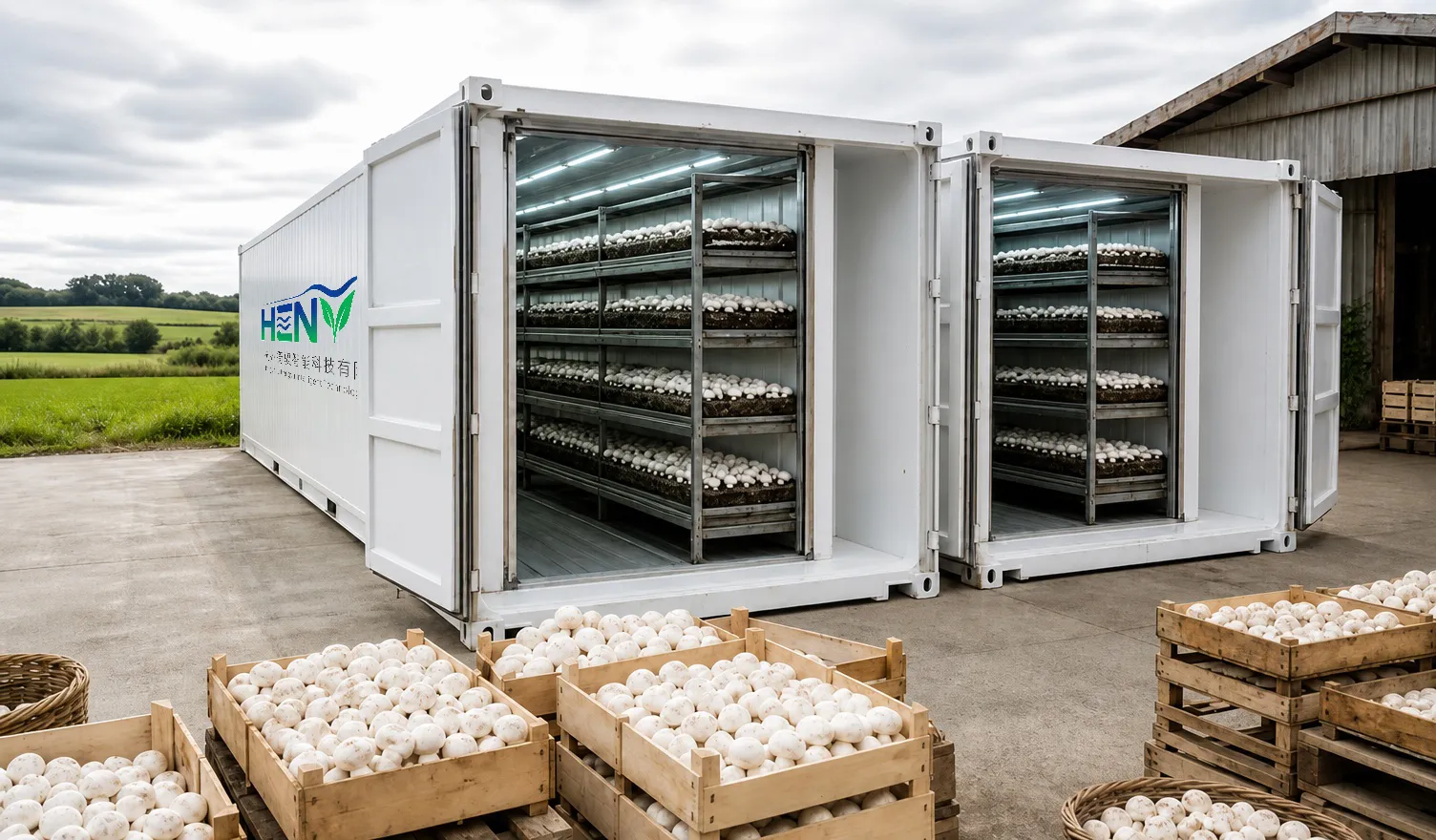
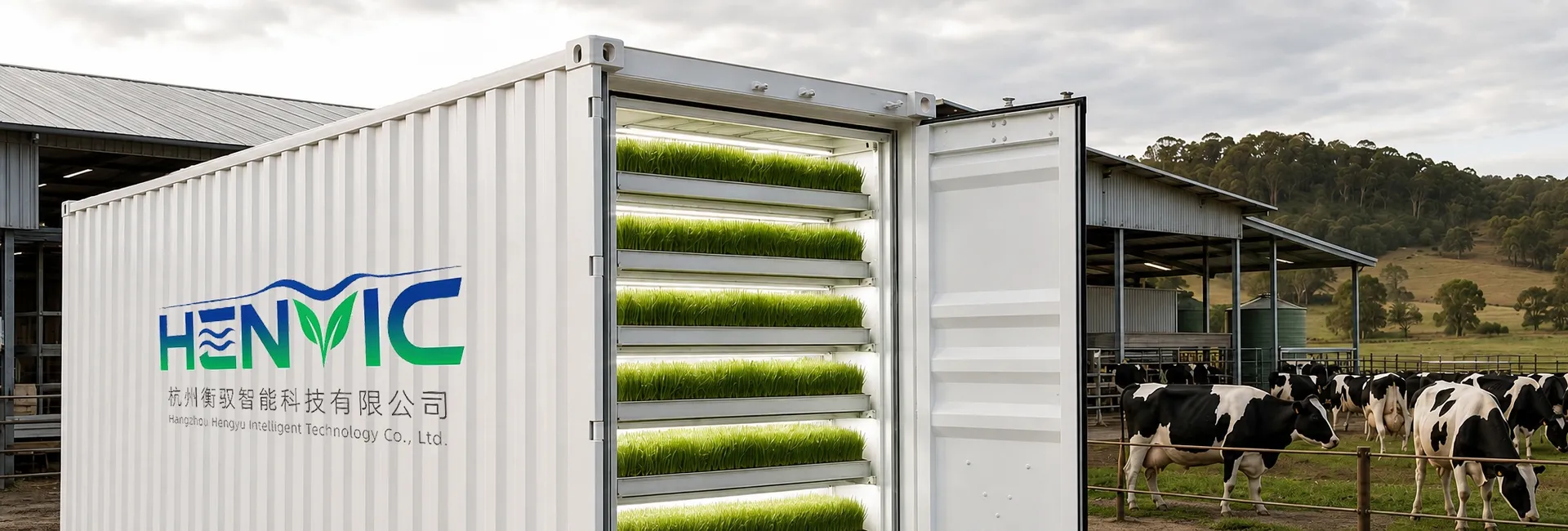
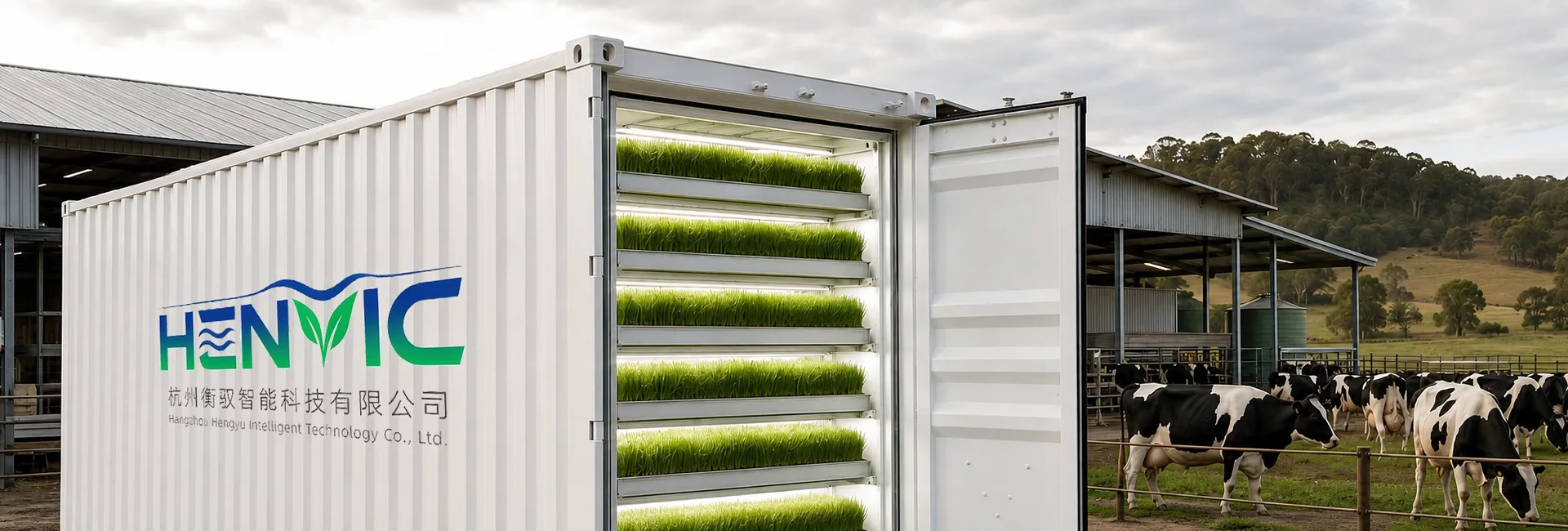
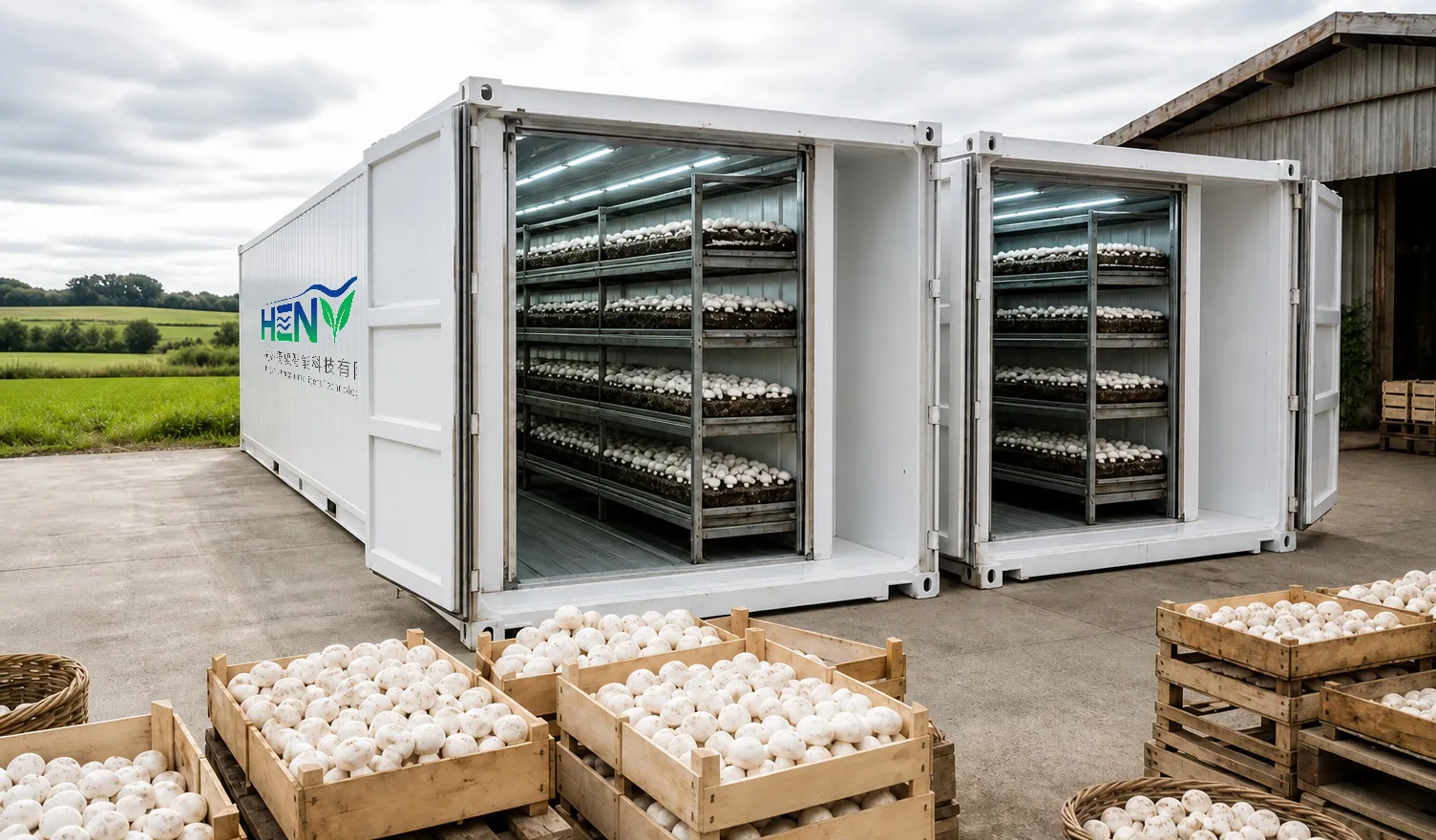
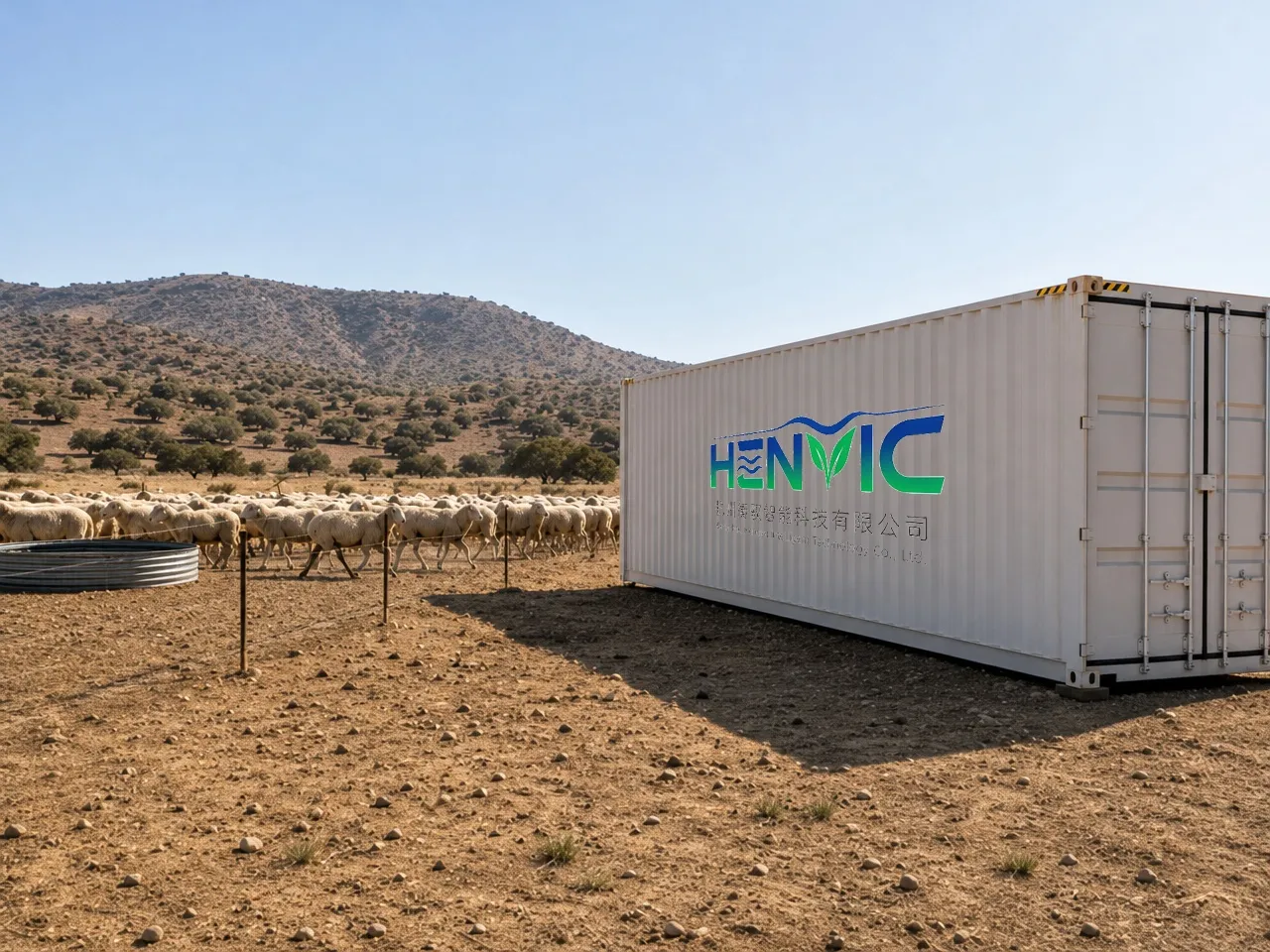
A farm cultivation container is a standardized shipping container retrofitted into a controlled-environment growing unit that sits on — or beside — a working farm. It is the agricultural cousin of the vertical-farming plant factory: instead of an urban warehouse, it is deployed in a field, beside a greenhouse, in a farmyard or on the edge of an orchard, where it serves as a mobile seedling nursery, a supplementary growing house, a season extension chamber or an emergency production module. In an era of shrinking arable land, extreme-weather volatility and rising labour costs, this container has become the most practical way for a conventional farm to add controlled-environment capacity without pouring concrete, because it can be delivered, parked, connected to existing infrastructure, and relocated whenever the crop rotation or the business plan changes. In China, where agricultural policy explicitly subsidises "new materials, new types and intelligent equipment" such as greenhouses and smart seedling trays through the 2026–2028 agricultural machinery purchase subsidy catalogue, the container sits squarely in the policy direction of making controlled-environment agriculture affordable to ordinary growers.
2. What the Container Brings to the Farm
A standard 40-foot steel box offers three things a permanent greenhouse cannot.
Mobility. A container on a flatbed can be moved from one field to another, from a winter nursery to a summer shade site, or from a farm in the south to a demonstration plot in the north, without dismantling. For a farm that leases land or rotates crops across multiple plots, this is a strategic advantage: the growing asset follows the plan, not the reverse.
Speed of deployment. Once connected to power and water, a retrofitted container can be producing within days rather than the months required to build a greenhouse, making it the fastest route to supplementary capacity.
Modular scalability. One container is one production line; ten containers are ten. Farms can start with a single unit to validate a crop, then scale by adding more boxes — a model that matches how livestock and greenhouse operations already expand.
3. Environmental Control: The Core Engineering
The container's interior is a sealed, insulated thermal envelope in which the four governing parameters are regulated by closed-loop control systems.
Light is supplied entirely by LED arrays rather than solar gain, giving the farm full control over intensity, spectrum and photoperiod. A red-to-blue ratio of roughly 3:1 is used during seedling establishment, shifting to 1:1 during vegetative growth, with photoperiods set at 16–18 hours for leafy greens. Unlike a greenhouse, the container can deliver exactly the PPFD the crop needs regardless of outside weather.
Temperature and humidity are held within tight bands — typically ±0.5 °C and ±3% RH — by an HVAC unit with ultrasonic humidification and condensation dehumidification. For fruiting fungi, humidity is pushed to 80–95%; for leafy greens, held at 60–80%. The insulated envelope keeps energy loss low enough that the unit remains economical even in cold climates.
CO₂ is actively managed. A ventilation system paired with a CO₂ generator holds ambient concentration at 800–1,200 ppm — several times atmospheric levels — which can raise photosynthetic efficiency by around 25%. This is the single biggest productivity lever inside the container, and one a greenhouse with open vents can never exploit.
Water and nutrients are delivered through hydroponic or drip systems. Deep-flow technique (DFT) keeps roots immersed in a deep nutrient reservoir; nutrient film technique (NFT) films roots with a continuous thin stream; aeroponics mist roots periodically for maximum oxygenation. Sensors continuously monitor pH (targeted at 5.5–6.5) and electrical conductivity (EC, typically 1.2–2.5 mS/cm for leafy greens), and electromagnetic valves re-balance nitrogen, phosphorus and potassium ratios automatically. Closed-loop design recovers roughly 90–95% of the water, and UV sterilisation plus nanofiltration keeps the recirculating solution pathogen-free.
4. Integration with the Existing Farm
A farm container is not a standalone island; it is designed to plug into what the farm already has. Water supply connects to the farm's irrigation or rainwater-harvesting system; drainage connects to the farm's sump; power draws from the farm's electrical grid, with off-grid solar-plus-storage options for remote sites. On a greenhouse farm, the container can run as a nursery for transplants, freeing greenhouse floor space from seedling production to finished crops. On a field farm, it can serve as a protected germination and hardening chamber, extending the growing season by weeks at either end. In horticultural regions such as Shouguang in Shandong, where the local government subsidises modern greenhouses with integrated intelligent control systems including soil moisture, light and fertiliser sensors — controllable remotely via a smartphone app — the container fits naturally into the same management workflow: the farmer tends crops by phone whether the greenhouse is next door or the container is three fields away.
5. Crop Rotation and Season Extension
The container's environmental precision lets a farm rotate crops within one growing cycle. Lettuce, arugula, spinach and microgreens occupy the fast, high-frequency tier; strawberries and herbs occupy the longer-cycle tier; specialty mushrooms occupy a high-humidity, near-dark tier. Because the container can reset its setpoints between flushes, the same box can produce microgreens in week one, baby leaf greens in week three, and a mushroom flush two months later — a kind of crop diversity that a single-purpose greenhouse cannot match. This flexibility is the operational answer to market volatility: when one crop's price collapses, the container can switch to another within days.
6. The Intelligence Stack
"Smart" on a farm container sits in three layers. Sensing — a distributed network of light, temperature, humidity, CO₂, pH, EC and dissolved-oxygen sensors, streamed in real time. Control — edge controllers that run humidistats, CO₂ controllers, thermostats and nutrient dosing valves automatically, following programmed crop recipes. Monitoring — cloud gateways push data to dashboards and mobile apps, so a single operator can supervise multiple containers, or an entire farm of them, from anywhere. The practical benefit for a farm is traceability: every crop is logged, every environmental excursion is recorded, and every flush's yield can be benchmarked against the last. The data layer also supports precision management — the same soil-moisture, light and fertiliser sensors that the Shouguang subsidy programme promotes — letting the farmer move from intuition to measurement.
7. Economics and Energy
The container's economic case rests on high yield density, high-value crops and locational advantage. Ten-tier shelving can hold roughly 2,000 lettuce plants in a single box, yielding about 150 kg of vegetables per square metre per year — more than 50 times the production of an equivalent open field — with 15–20 successive crops annually. Water consumption falls to a small fraction of field agriculture; labour requirements fall because the environment is managed automatically.
Energy is the trade-off. Climate control, lighting and humidification run continuously, and although insulated envelopes, secondary dehumidification and smart light scheduling have pushed energy intensity down to roughly 0.3 kWh per kilogram of leafy greens, running cost still depends heavily on local electricity prices. On-site photovoltaics plus storage, or connections to the farm's existing power infrastructure, are therefore essential to making the container economically viable. The policy backdrop is favourable: in China, agricultural machinery purchase subsidies for greenhouses and intelligent seedling equipment cover up to 30% of the cost for new-type agricultural facilities, materially lowering the barrier for a farm to adopt its first unit.
8. Conclusion
The farm cultivation container is not a replacement for the open field or the greenhouse; it is a complement that lets a farm do more with less. It brings controlled-environment precision — precise light, temperature, humidity, CO₂ and nutrient dosing — into a form that can be delivered, moved, scaled and connected to existing infrastructure, and it slots into the farm's crop rotation and season extension like a new tool rather than a new building. In an industry facing climate volatility, labour shortages and shrinking land, the container gives the farm an asset that is flexible, modular and data-driven: a steel box that can grow lettuce in a desert, strawberries in winter, or mushrooms in near-darkness, anywhere it can be parked and powered.