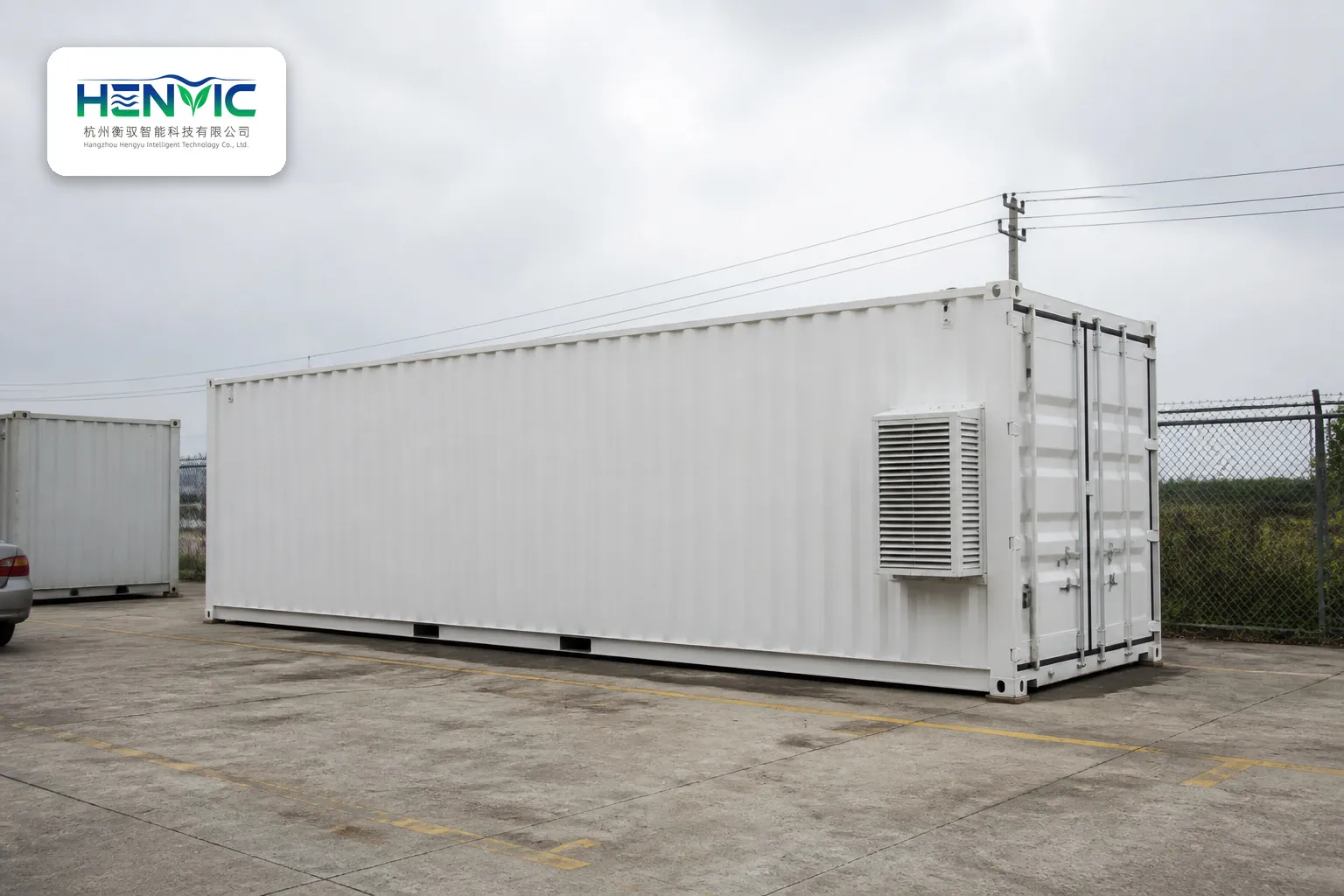
In a world grappling with population growth, climate change, and dwindling arable land, the quest for innovative and sustainable solutions to food production has never been more urgent. Container-based leafy green cultivation technology stands out as a promising breakthrough, reshaping how we grow leafy vegetables by leveraging controlled environments within shipping containers. This cutting-edge approach offers a host of advantages, from resource efficiency to food security, and holds great potential for transforming urban agriculture and global food systems.
1. Core Components of Container Cultivation
1.1 Specially Adapted Containers
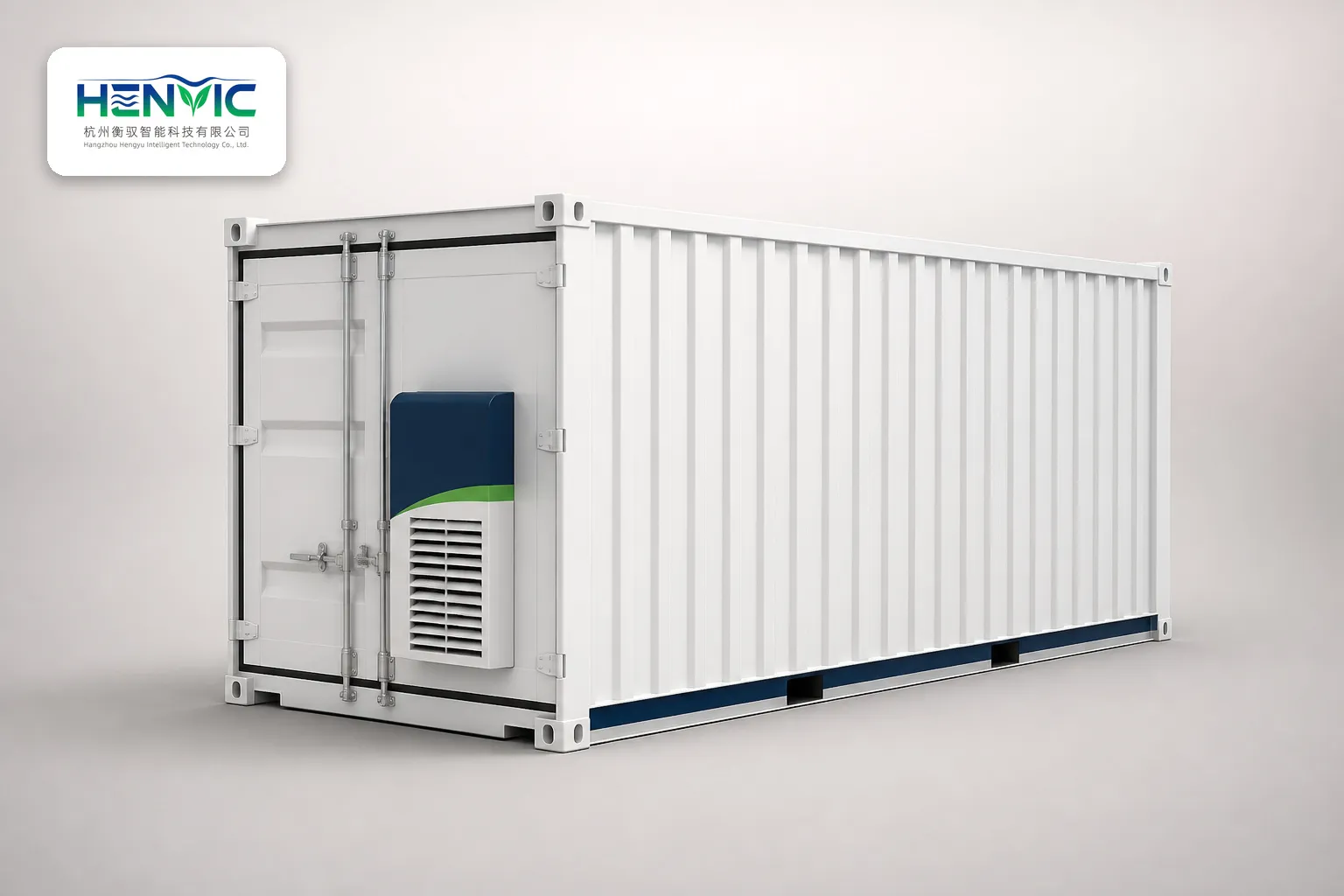
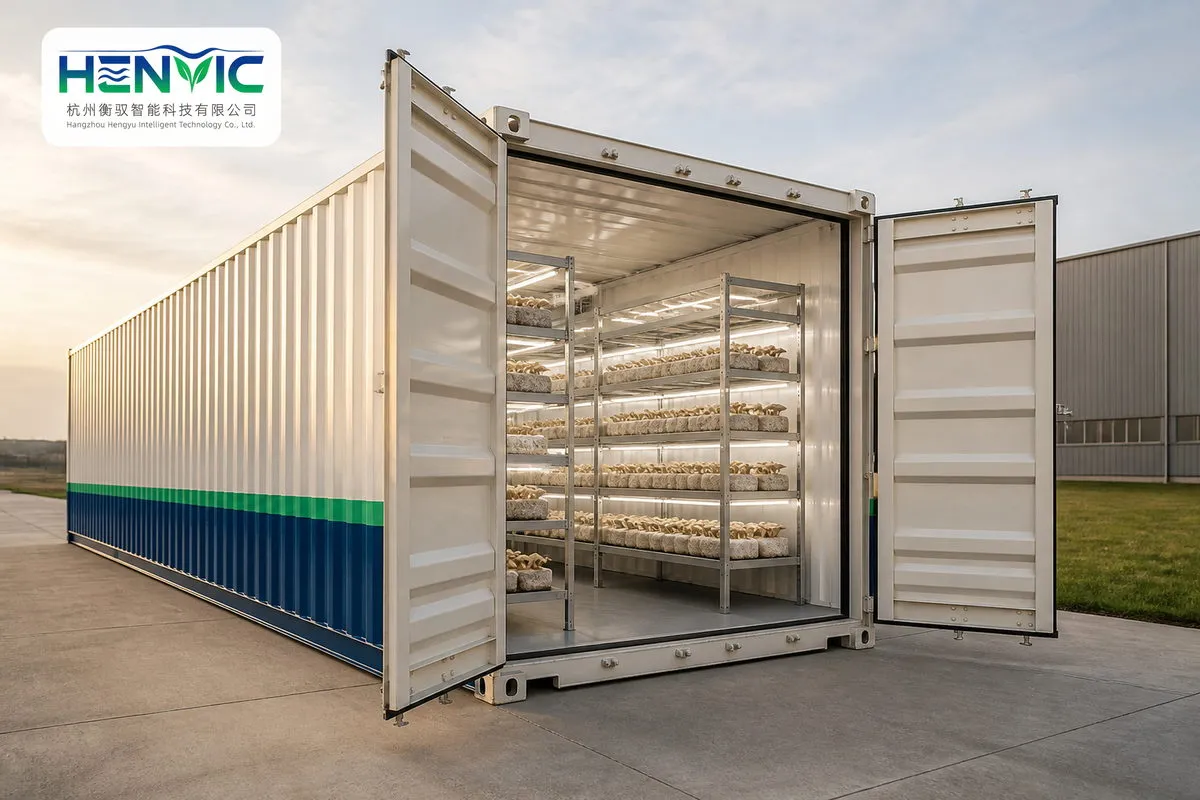
At the heart of this technology are containers that are purposefully modified to cater to the needs of leafy green cultivation. Initially, standard shipping containers serve as the foundational structure. Their robust design and standard dimensions make them readily accessible and easily adaptable. The interior of these containers is then customized to create a suitable microclimate for plant growth. This involves installing thermal insulation materials on the walls, floor, and ceiling to maintain a stable internal temperature. This insulation ensures that external weather conditions do not drastically alter the environment within the container, providing a consistent setting for the greens to thrive.
1.2 Climate Control Systems
An advanced climate control system is indispensable for container-based cultivation. This system regulates critical variables such as temperature, humidity, light, and air circulation. Temperature control is achieved through a combination of cooling and heating mechanisms. Cooling is primarily accomplished using air conditioning units, which are strategically placed to distribute cool air evenly throughout the container. For heating, radiant heating panels or specialized heaters are employed to maintain optimal temperatures, particularly during colder periods.
Humidity management is equally crucial. Dehumidifiers are incorporated to prevent excessive moisture, which can lead to the growth of harmful pathogens. On the flip side, humidifiers ensure that the air retains sufficient moisture to support the leaves' hydration needs. Light intensity and duration are meticulously controlled using LED lighting. These energy-efficient lights mimic the spectrum of natural sunlight and can be adjusted to suit the specific growth stages of different leafy greens. Air circulation is facilitated by fans that ensure a steady flow of fresh air, distributing nutrients and preventing stagnant air that could cause disease outbreaks.
1.3 Soilless Cultivation Substrates and Irrigation
Container cultivation predominantly relies on soilless methods, with hydroponics being the widely adopted technique. Instead of traditional soil, plants are grown in nutrient-rich solutions. The roots of the leafy greens are either directly immersed in the nutrient solution (as in deep water culture) or supported by inert substrates such as perlite, vermiculite, or coconut coir. These substrates provide physical support to the plants while allowing for efficient nutrient absorption.
The irrigation system is integrated with the hydroponic setup, ensuring a constant and precise supply of nutrients. Drip irrigation and aeroponic systems are commonly used. Drip irrigation delivers the nutrient solution directly to the roots through a network of small tubes, while aeroponic systems spray a fine mist of the nutrient solution onto the roots, maximizing oxygen exposure and nutrient uptake.
2. Key Technological Advantages
2.1 Space Optimization and High Yields
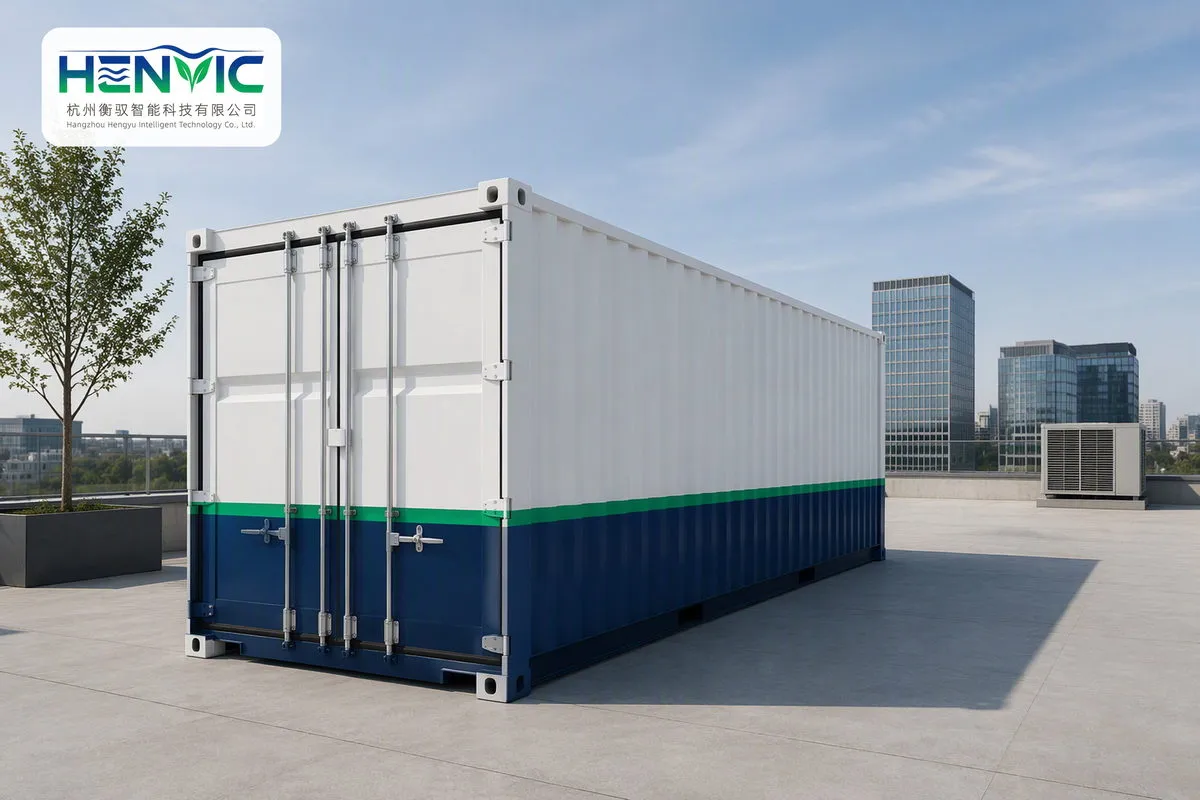
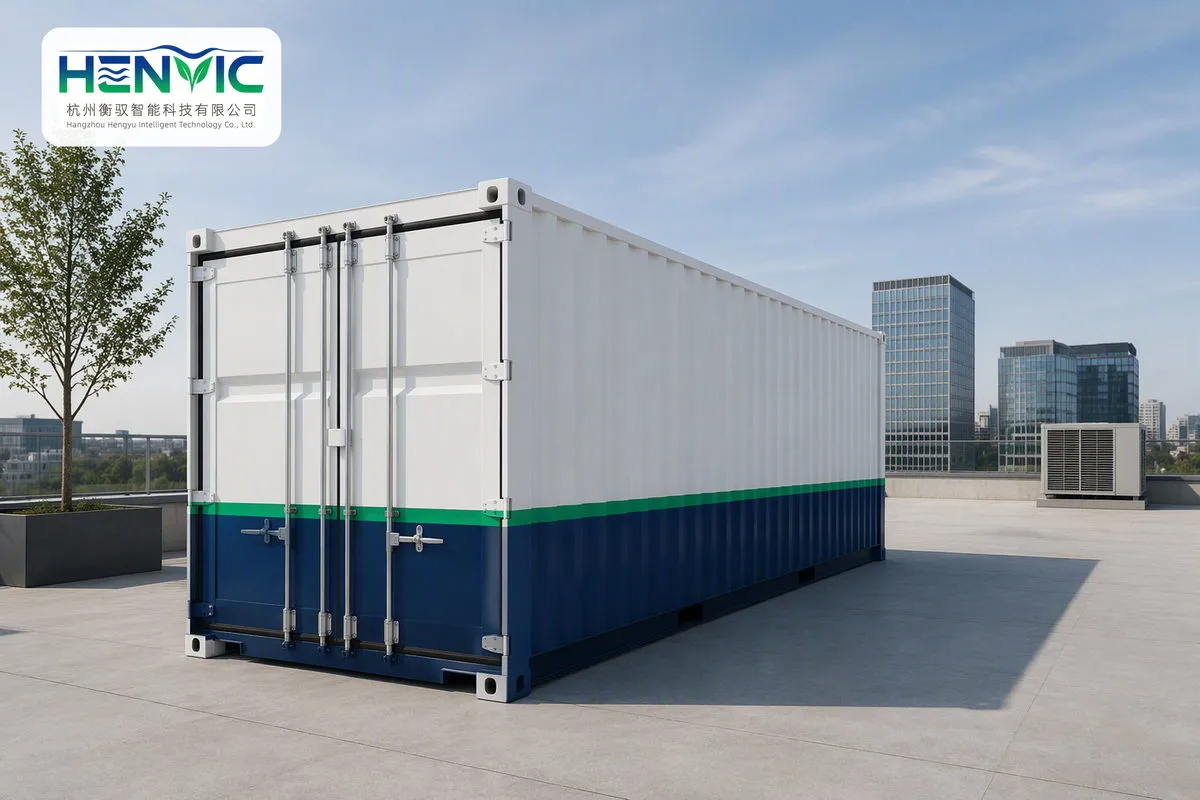
One of the most compelling advantages of container-based cultivation is its ability to maximize space utilization. Traditional agriculture demands vast expanses of open land, which is increasingly scarce due to urbanization. Containers, on the other hand, can be stacked vertically and placed in confined spaces, such as urban parking lots, rooftops, or vacant industrial buildings. This vertical farming approach significantly increases the yield per unit area compared to conventional farming. By carefully designing the interior layout of the container, multiple tiers of growing beds can be accommodated, allowing for the cultivation of a large number of leafy greens in a relatively small footprint.
2.2 Water and Nutrient Efficiency
Container cultivation is a water-wise practice. The closed environment of the container minimizes water loss through evaporation. Additionally, the hydroponic systems used are highly efficient in water usage. They recirculate the nutrient solution, with minimal waste. The precise control over nutrient delivery ensures that plants receive exactly what they need, reducing the risk of nutrient leaching and runoff. This efficiency not only conserves resources but also reduces the environmental impact associated with excessive fertilizer use.
2.3 Reduced Pest and Disease Risks
The controlled environment within the container acts as a natural barrier against pests and diseases. By sealing off the growing space, the risk of infestation from external insects and pathogens is greatly reduced. Furthermore, the absence of soil eliminates many common soil-borne diseases that can afflict leafy greens. This leads to a significant decrease in the need for chemical pesticides and herbicides, resulting in healthier and more sustainable produce.
2.4 Year-Round Production
Container cultivation enables uninterrupted production of leafy greens throughout the year. Unlike traditional agriculture, which is at the mercy of seasonal changes, weather conditions, and natural light, the container's climate control system ensures that plants are grown under consistently favorable conditions. This freedom from external factors allows farmers to plan production schedules with precision, meeting the demand for fresh leafy greens even during off-seasons.
3. Real-World Applications and Impact
3.1 Urban Agriculture and Local Food Supply
In urban areas where land is scarce and the distance between food production and consumption is great, container-based leafy green cultivation has emerged as a game-changer. It empowers local farmers and entrepreneurs to establish small-scale farms within the urban fabric. These container farms can supply fresh, nutrient-dense leafy greens directly to local restaurants, grocery stores, and communities, reducing the carbon footprint associated with long-distance food transportation and enhancing food security in urban centers. For instance, in densely populated cities, container farms located in the vicinity can provide customers with fresh greens that are harvested just hours before reaching their plates, ensuring superior quality and nutritional value.
3.2 Resilience in Food Supply Chains
The COVID-19 pandemic and other global disruptions have highlighted the vulnerabilities of long and complex food supply chains. Container cultivation provides a level of resilience by creating localized, self-sustaining food production systems. In times of crisis, when transportation and distribution networks are compromised, container farms can continue to produce fresh leafy greens, ensuring a stable food supply for local populations.
Container-based leafy green cultivation technology represents a beacon of hope in the pursuit of sustainable and secure food production. By integrating advanced engineering, climate control, and hydroponic techniques, this innovative approach addresses critical challenges such as land scarcity, resource efficiency, and food safety. As the technology continues to evolve and become more accessible, it holds the potential to revolutionize the agricultural landscape, bringing fresh, locally grown greens to millions while stewarding the planet's resources. It is an investment in both present food security and future resilience, paving the way for a more sustainable and equitable food system.