I. Industry Overview
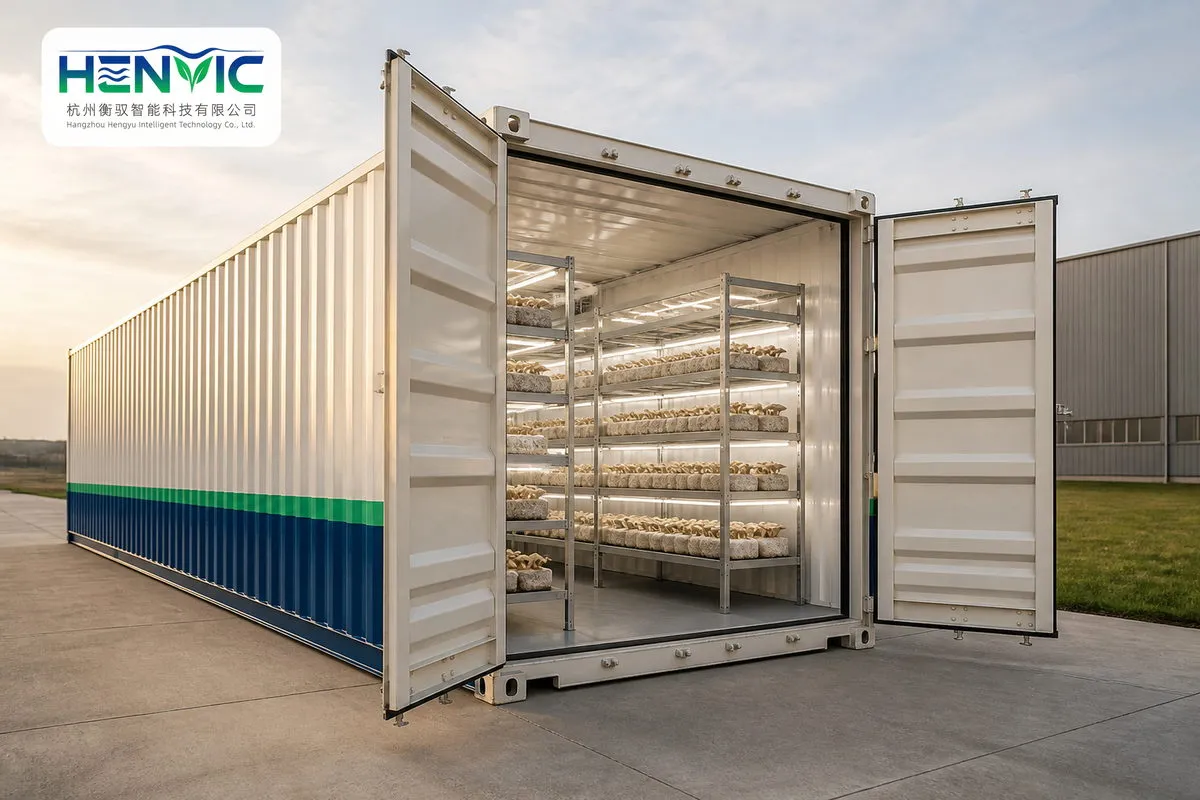
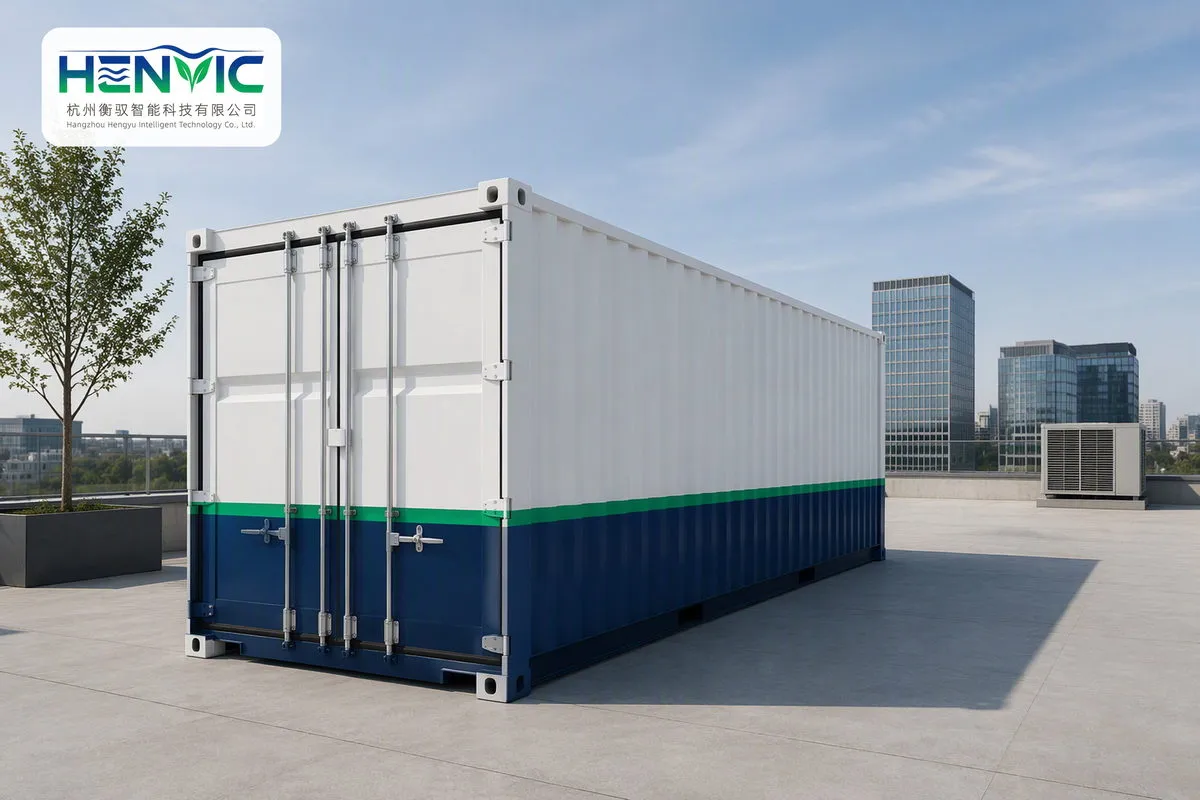
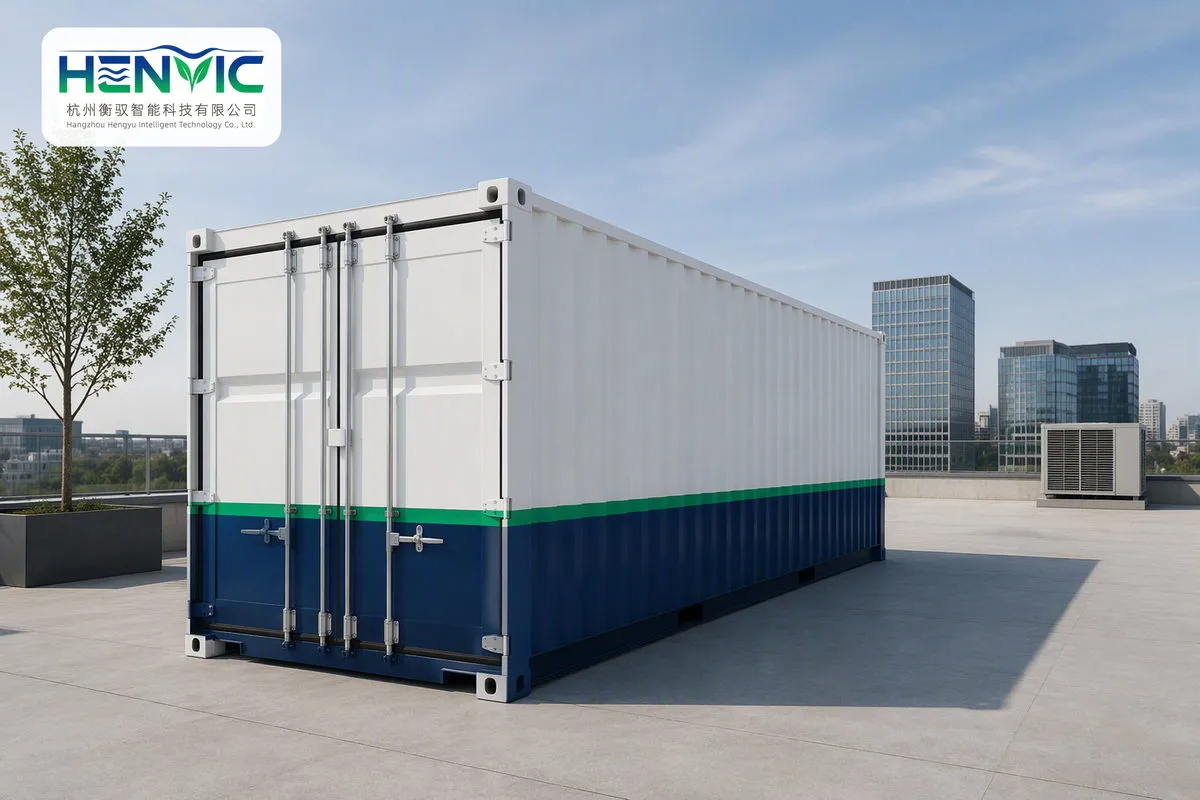
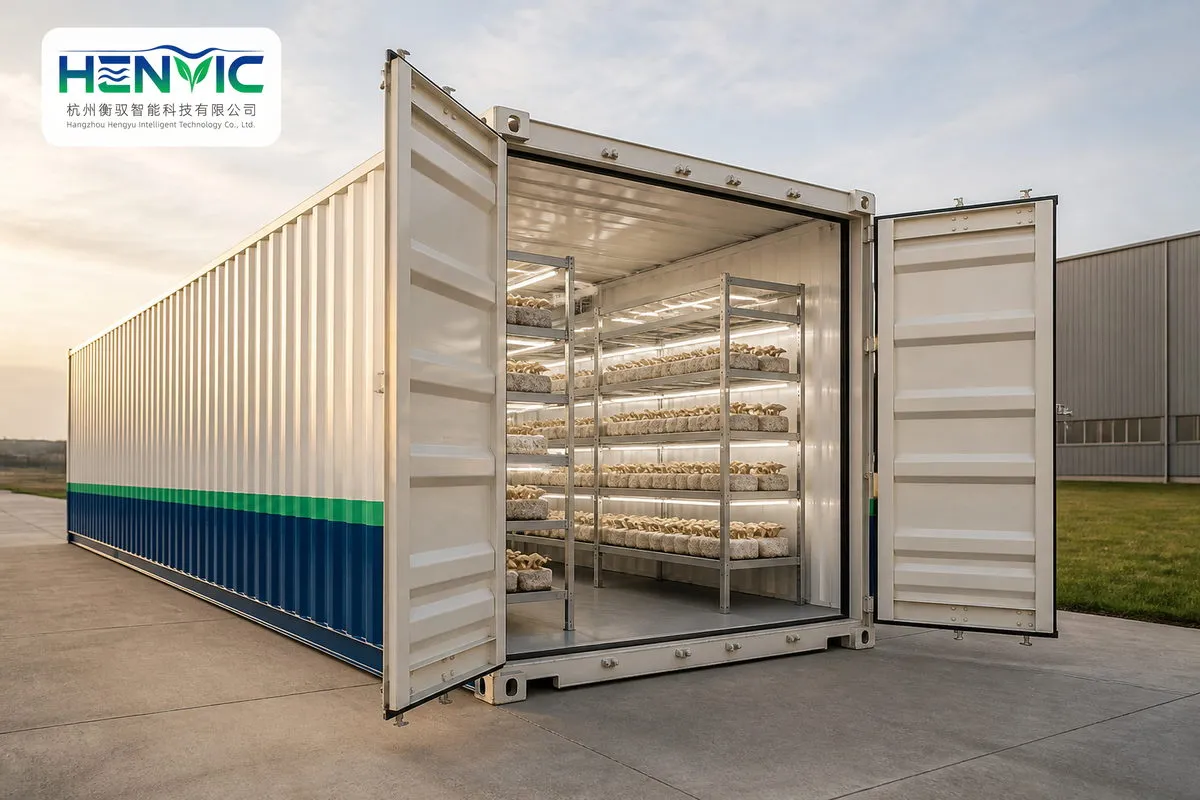
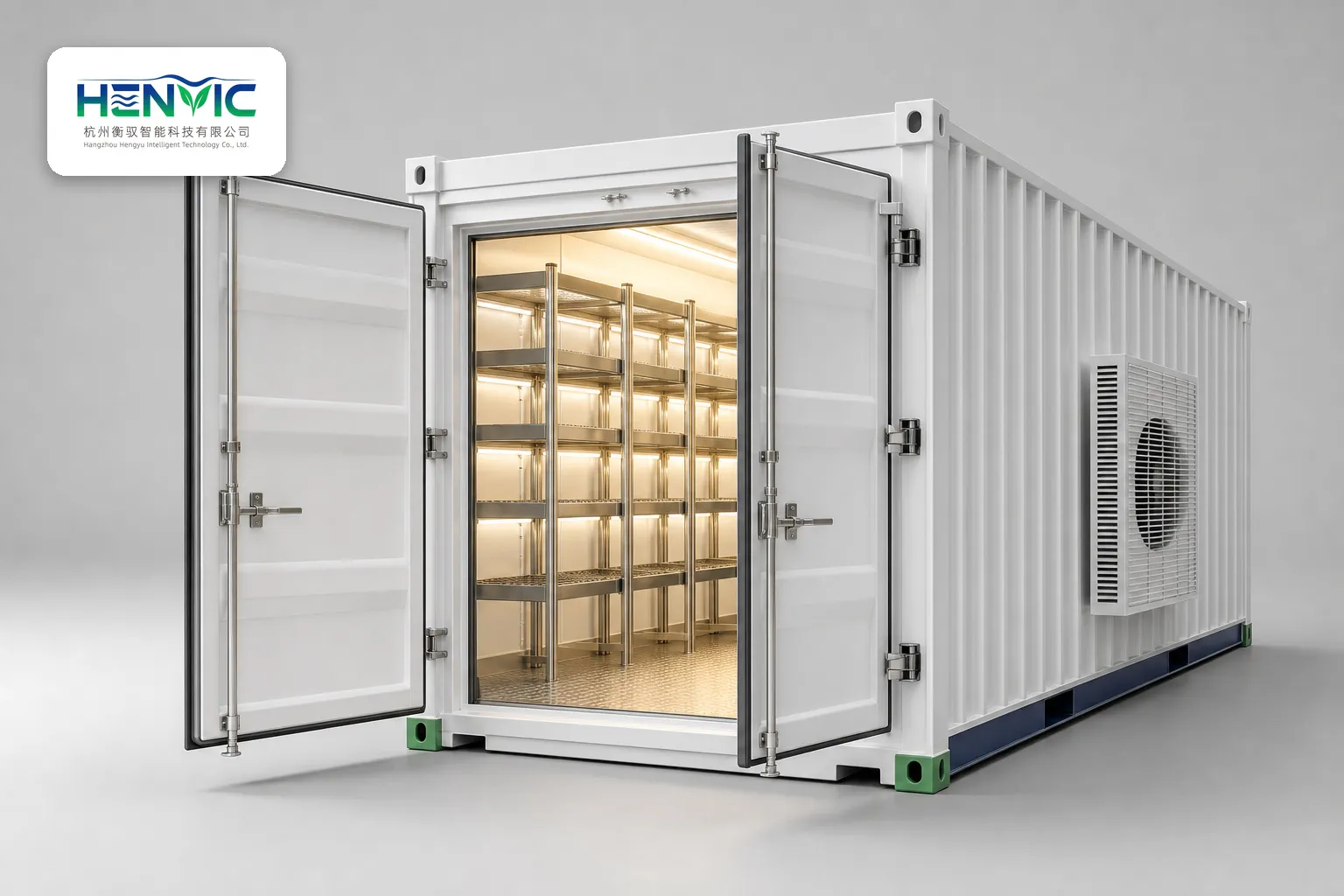
Mushroom cultivation containers (or mushroom pods) are specialized, highly integrated Controlled Environment Agriculture (CEA) facilities tailored for the industrial-scale production of edible or medicinal fungi. Unlike leafy green container farms that rely primarily on light photosynthesis, mushroom containers focus on mastering the precise micro-environments—temperature, humidity, carbon dioxide, and airflow—required for mycelial growth (spawn run) and the fruiting phase. By enclosing the cultivation process in a standardized shipping-container footprint, this technology enables year-round, weather-independent, and biologically optimized mushroom harvesting.
II. Core System Composition
A standard mushroom cultivation container is an ecosystem meticulously engineered to replicate ideal fungal habitats. Its core modules include:
- HVAC Control System: This is the core thermal management unit. Mushrooms, particularly mycelium, are highly sensitive to heat. The HVAC system precisely regulates the internal temperature, shifting from a warmer environment (e.g., 24–26°C) during the spawn-run phase to a cooler climate (e.g., 15–18°C) during the fruiting phase.
- Humidity Control System: Fungi require extremely high humidity levels, typically between 80% and 95%, to prevent the drying out of the substrate and to stimulate fruiting body formation. The container features high-pressure fogging or ultrasonic humidifiers paired with precise drainage systems to maintain optimal moisture without causing rot.
- CO2 and Airflow Management: Unlike plants that consume CO2, mushrooms actively release CO2 during growth. High CO2 levels can cause mushrooms to develop long, thin stems and malformed caps. Therefore, the container is equipped with Variable Frequency Drive (VFD) fans and CO2 sensors to exhaust stale air and extend the fresh air exchange cycle, keeping CO2 ppm strictly within the target range.
- Illumination System: While mushrooms do not rely on light for photosynthesis, ambient light acts as a biological trigger for fruiting. LED grow lights are programmed to mimic natural dawn and dusk cycles, signaling the fungi when to initiate pinning and subsequent fruiting.
- Smart Control Brain (IoT): Modern mushroom containers integrate comprehensive IoT sensors and PLC controllers. Farmers can monitor and adjust the entire environment remotely via smartphones or computers, significantly reducing the reliance on traditional mushroom-growing expertise.
III. Core Advantages
Compared to traditional mushroom cellars, basements, or open-field shade houses, cultivation containers offer several disruptive advantages:
- Environmental Isolation: The steel-clad structure provides a strict physical barrier against external pests (such as flies, mites, and nematodes) and pathogens, drastically reducing the need for chemical pesticides and ensuring food safety.
- High Site Flexibility: Containers transform unutilized land—such as barren plots, alleyways, or abandoned industrial zones—into highly productive farms. They can be stacked or placed side-by-side, achieving a compact footprint with massive output.
- Resource Efficiency: The controlled environment dramatically reduces water consumption compared to open-air cultivation. Furthermore, advanced air filtration and exhaust systems minimize heat loss, making the container highly energy-efficient.
- Crop Diversity and Consistency: By effortlessly altering the micro-climate, a single farm can cultivate multiple mushroom species (e.g., shiitake, oyster, king oyster, enoki, or lion's mane) year-round, free from seasonal limitations, ensuring a steady, predictable supply chain for the market.
IV. Cultivation Scenarios and Growth Mechanisms
Mushroom container farming differs fundamentally from green plant cultivation. The biological process consists of two phases:
- Spawn-Run Phase: The substrate (such as supplemented sawdust, straw, or waste agricultural by-products) is sterilized and inoculated with mushroom spawn. During this phase inside the container, high humidity, darkness, and optimal temperature are maintained so the mycelium can colonize the substrate completely.
- Fruiting Phase: Once the substrate is fully colonized (appearing white and fluffy), the environmental conditions are altered—lowering the temperature, introducing fresh light, and adjusting airflow to trick the fungi into producing mushrooms.
The technology is widely applied in:
- Urban and Peri-Urban Agriculture: Supplying hyper-fresh, locally grown mushrooms directly to supermarkets and restaurants.
- Waste-to-Value Projects: Utilizing local agricultural waste (like cotton stalks, corn cobs, or sawdust) as substrates, creating circular economy models.
- Remote and Specialized Areas: Providing nutritious protein sources for scientific research stations, border outposts, and off-grid communities.
V. Future Trends
The mushroom cultivation container industry is rapidly integrating with smart technologies. The future will see the rise of "Autonomous Mushroom Pods" that use AI vision to detect the exact moment a mushroom reaches peak maturity, triggering automated harvesting robots. Additionally, advancements in substrate recycling and energy recovery systems will further lower operational costs, propelling fungal cultivation into a highly automated, data-driven industrial era.