Abstract
The leafy vegetable cultivation container industry is a key branch of modern smart agriculture. It integrates agricultural engineering, intelligent control, plant physiology, and environmental science. This article explains the development logic, technical system, business model, application scenarios, and value of leafy vegetable cultivation containers. It covers industry prospects and provides a comprehensive reference for professionals.
I. Industry Positioning and Core Value
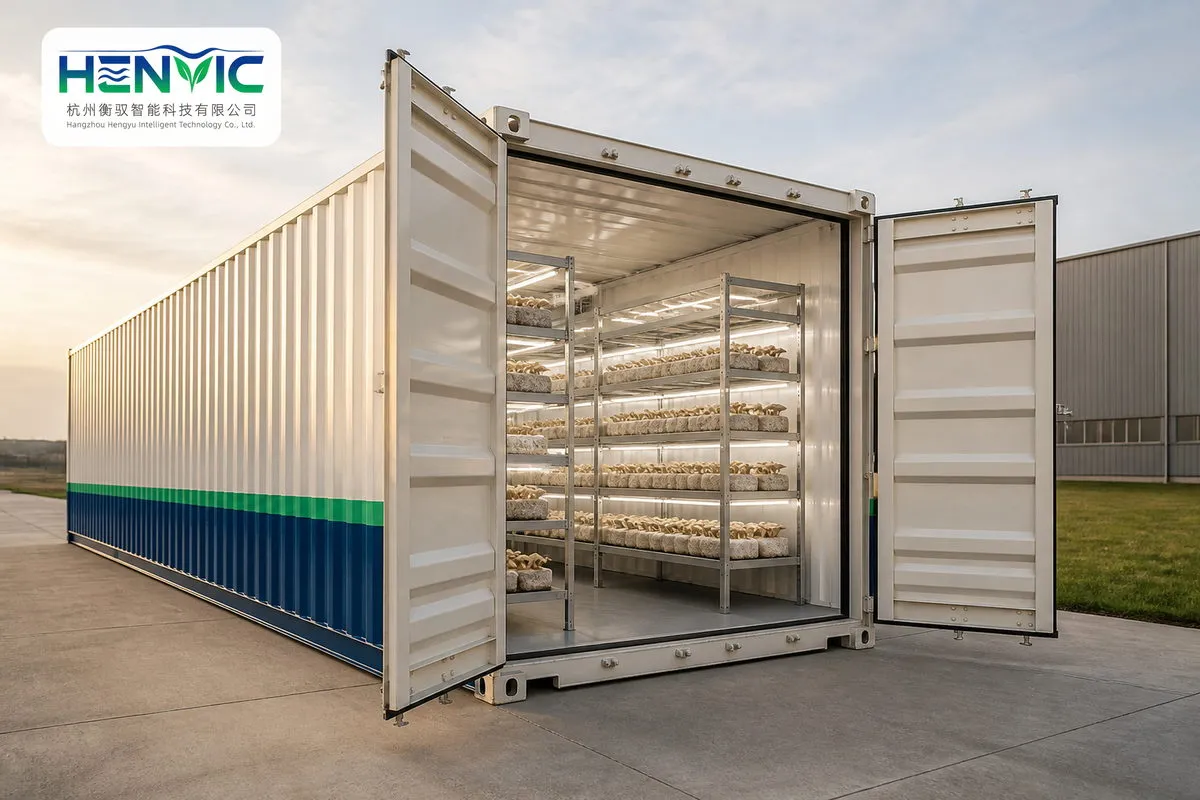
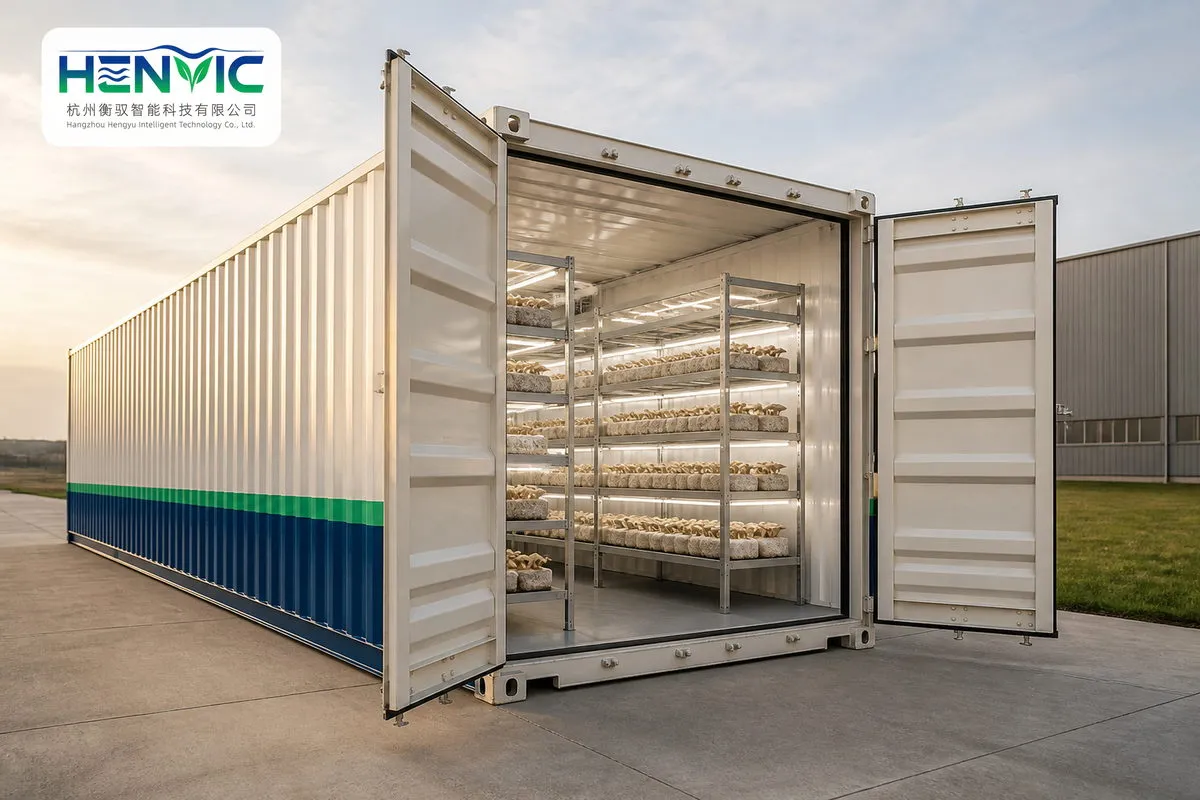
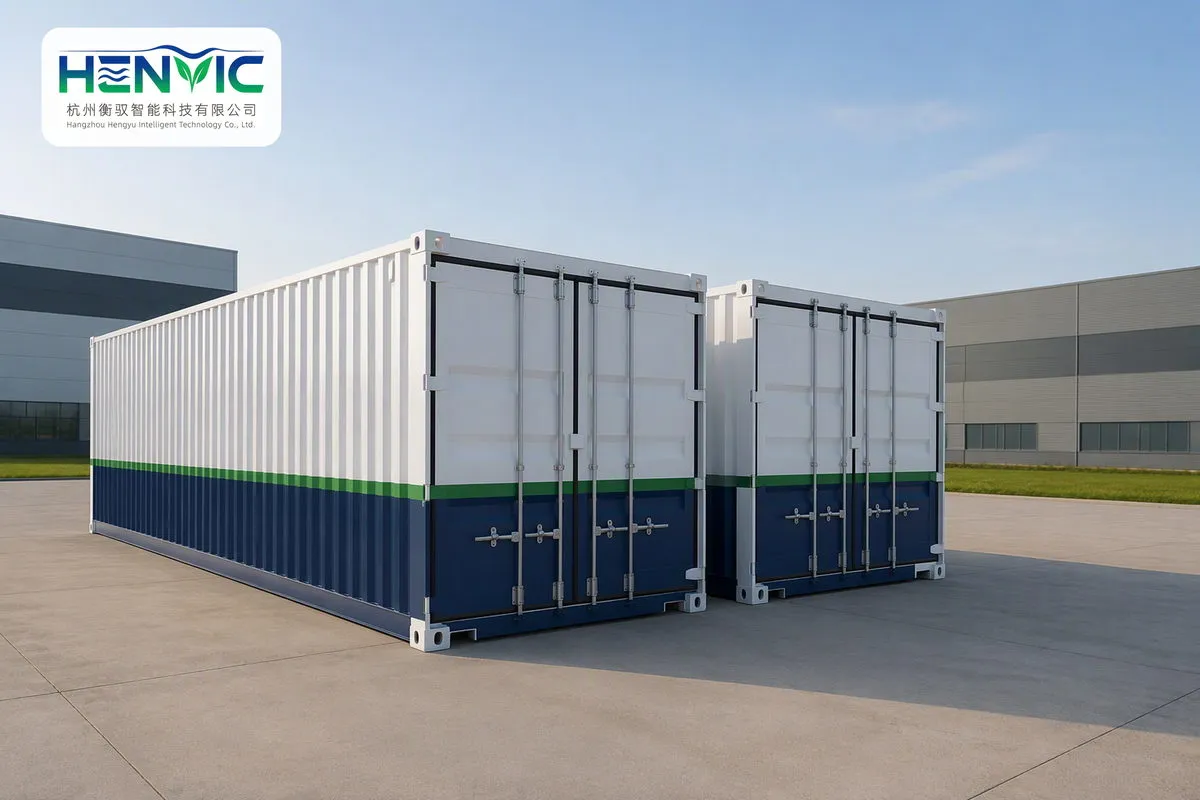
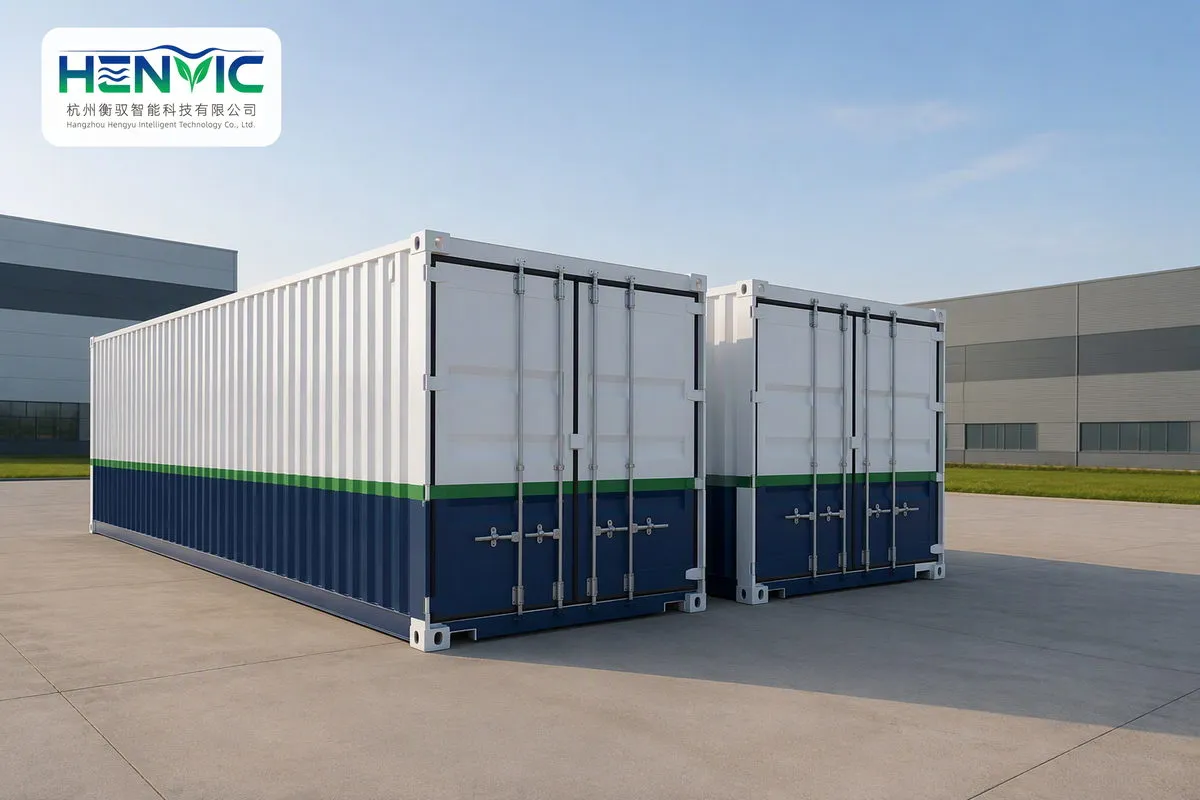
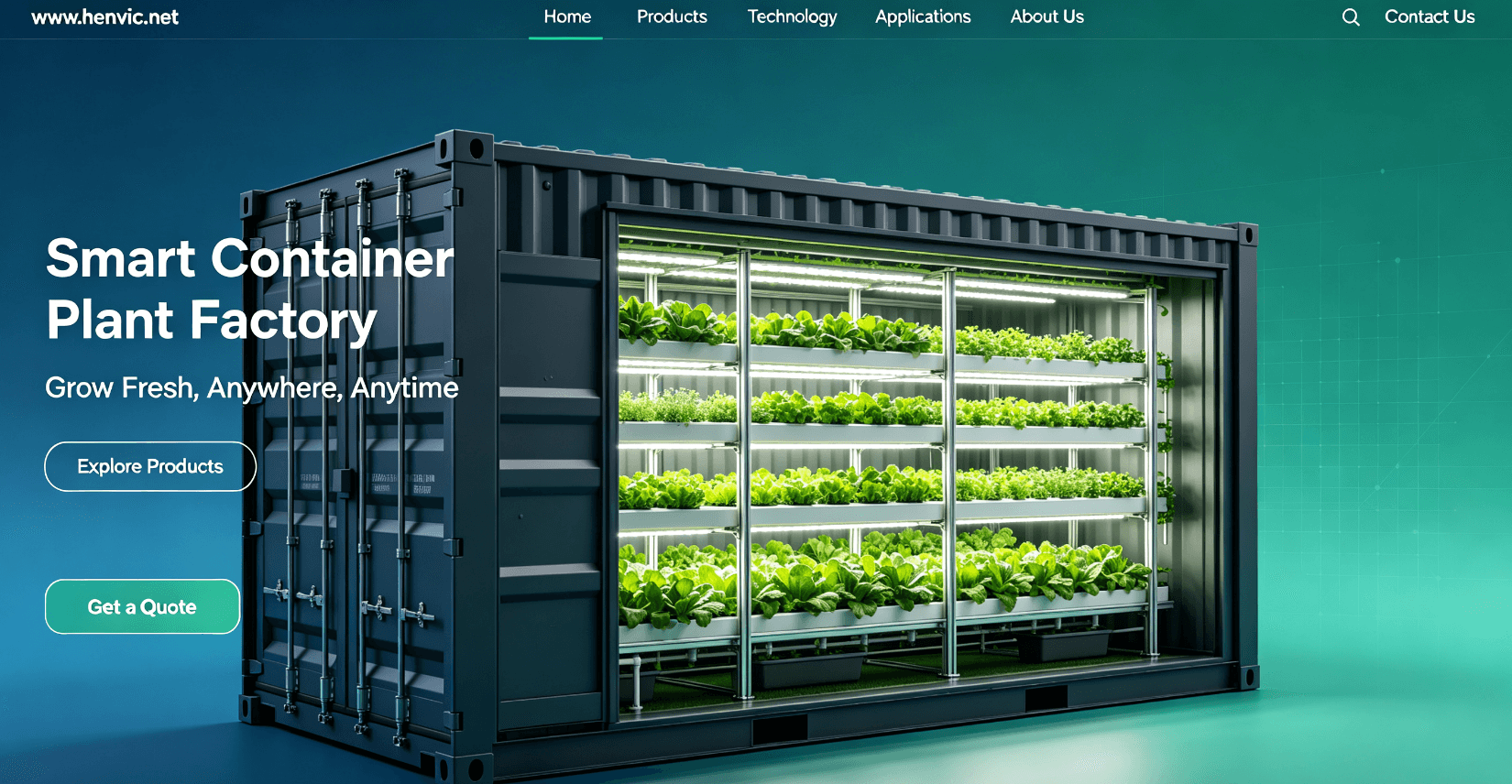
Leafy vegetable cultivation containers are modular, enclosed smart planting equipment that combines containerized cultivation, precise environmental regulation, and automated management. Compared with traditional field cultivation and ordinary greenhouse planting, containerized cultivation breaks spatial constraints, increases efficiency in use of resources, and promotes food safety and green development. It is an effective path to resolving contradictions between arable land shortages, climate destabilization, and increased demand for high-quality vegetables.
II. Industry Background and Development Trends
The industry’s growth is driven by multiple factors. First, global urbanization reduces arable land and urban vegetable demand grows. Second, people demand fresher, safer, and more traceable products. Third, climate change and extreme weather increase the instability of traditional agriculture. In recent years, the industry has shifted toward intelligence, automation, low-carbon use, and scenario-based deployment.
III. Technical System and Core Components
The core technologies of leafy vegetable cultivation containers include equipment manufacturing, environmental control, automation, and cultivation management. These elements enable precise control of the growing environment, standardized production, and stable yield and quality.
3.1 Equipment Structure and Materials
Container bodies are made of corrosion-resistant, heat-insulating, and fully sealed materials that resist external interference and energy loss. The interior is arranged with multi-layer planting racks, electrical systems, water supply and drainage, and air circulation channels. The design allows efficient utilization of vertical space while facilitating cleaning and maintenance.
3.2 Environmental Control System
The environmental control system is the core of container cultivation and includes multiple modules:
- Temperature control system: heat and cold supply and air circulation that maintain a suitable temperature range for growth.
- Humidity control system: humidification and dehumidification to keep adequate moisture in the air.
- Light control system: LED plant growth lamps with an optimized spectrum to supplement light so that photosynthesis proceeds efficiently.
- Ventilation system: ensures air exchange and removes excess moisture, regulating carbon dioxide levels for the growth of leafy vegetables.
- Sterilization system: prevents bacterial infections and pest threats, avoiding pesticide residue, ensuring product safety.
3.3 Hydroponic and Nutrient System
Containers usually adopt hydroponic cultivation. A circulating nutrient system provides water and nutrients to plants, greatly reducing natural water consumption and preventing fertilizer waste. This system includes water tanks, circulating pumps, filters, sensors, and recovery mechanisms, maintaining precise nutrient and pH levels.
3.4 Intelligent Control System
Intelligent control is integrated with cloud platforms and mobile terminals, automating parameter collection, regulation, and early-warning functions. It reduces human interference and operational difficulties and realizes data-based management.
IV. Industry Business Model and Market
4.1 Main Business Patterns
Enterprises provide container equipment, technical support, planting services, and healthy vegetable products. The business model encompasses sales, rental, operation, and production.
4.2 Market Scenarios
Applications are diverse, including:
- Urban rural renewal and rooftops or vacant land.
- Big farms and seedling enterprises.
- Organic and green vegetable production bases.
- Emergency food supply and agricultural demonstration projects.
V. Industry Development Challenges
Despite broad prospects, challenges remain:
- High initial investment costs.
- Energy and operating expenses.
- Smart system maintenance and personnel training.
- Technological and operational standardization issues.
VI. Industry Outlook
The industry will develop further along automation, energy efficiency, and intelligence. New technologies such as photovoltaics and environment-friendly materials will be integrated. There will be more investment in research on cultivation techniques and variety selection, steadily enhancing quality and efficiency.
VII. Conclusion
Leafy vegetable cultivation containers play a vital role in advancing smart and green agriculture. With continuous optimization and deeper industry integration, this technology will help build a safe, low-carbon, and self-sufficient food supply.