A Comprehensive Guide to Containerized Cultivation of Baby Bok Choy
1. Introduction
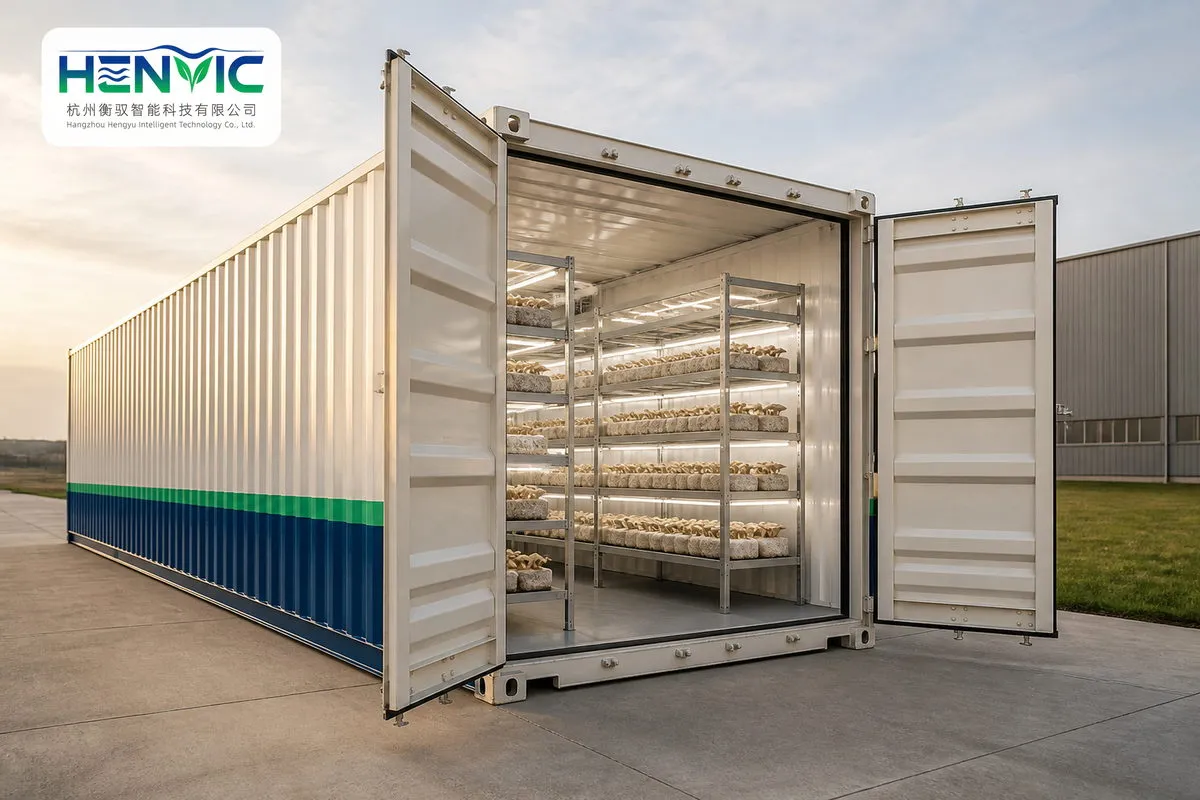
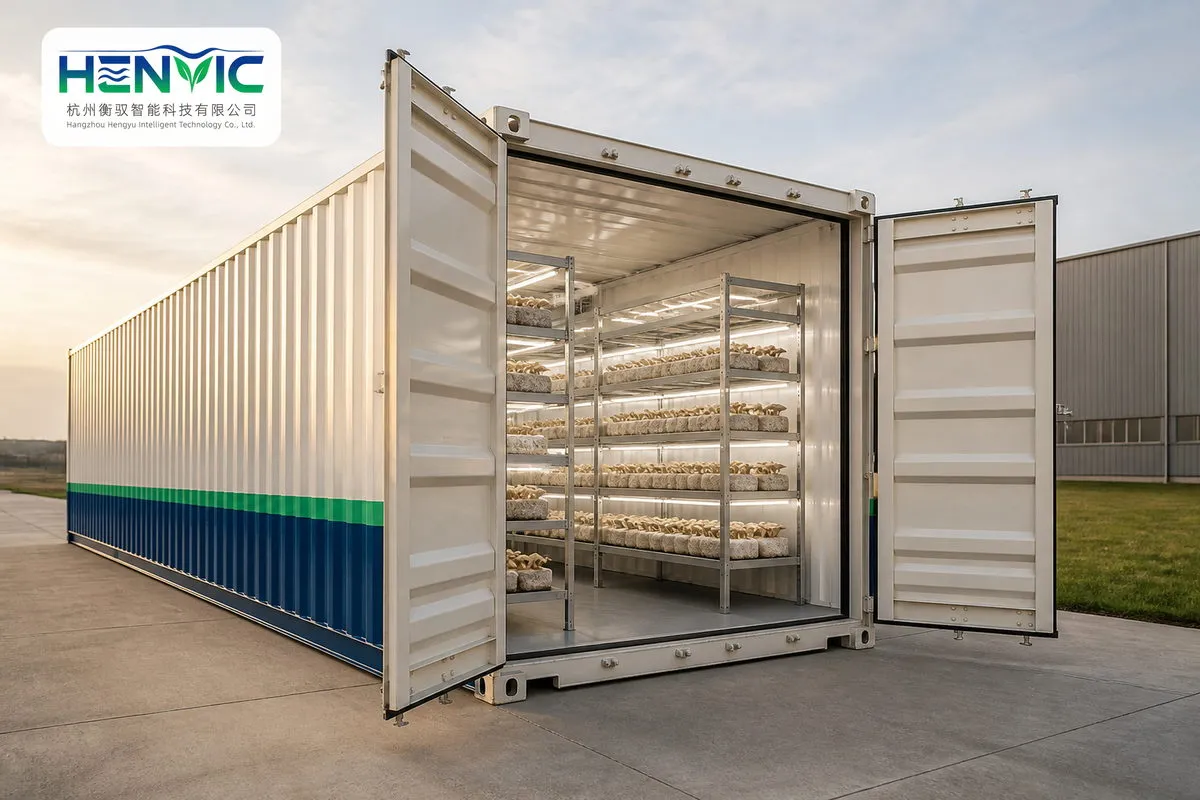
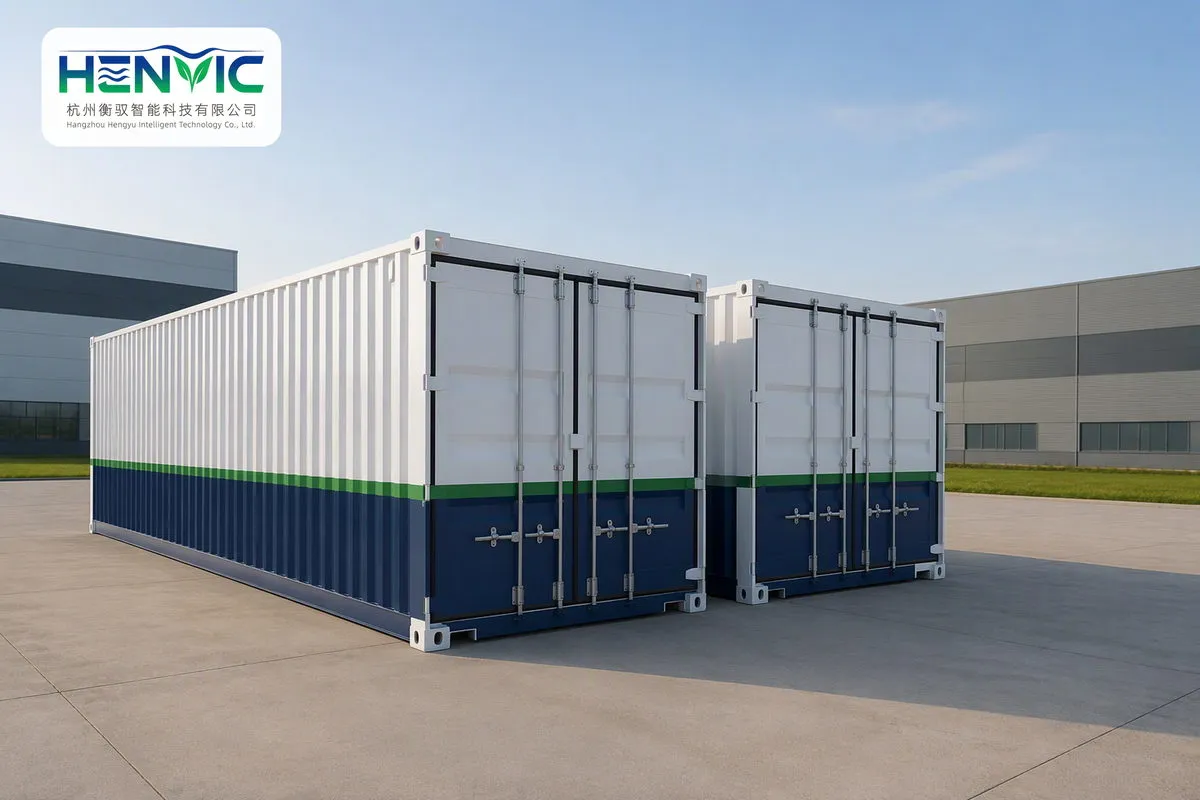
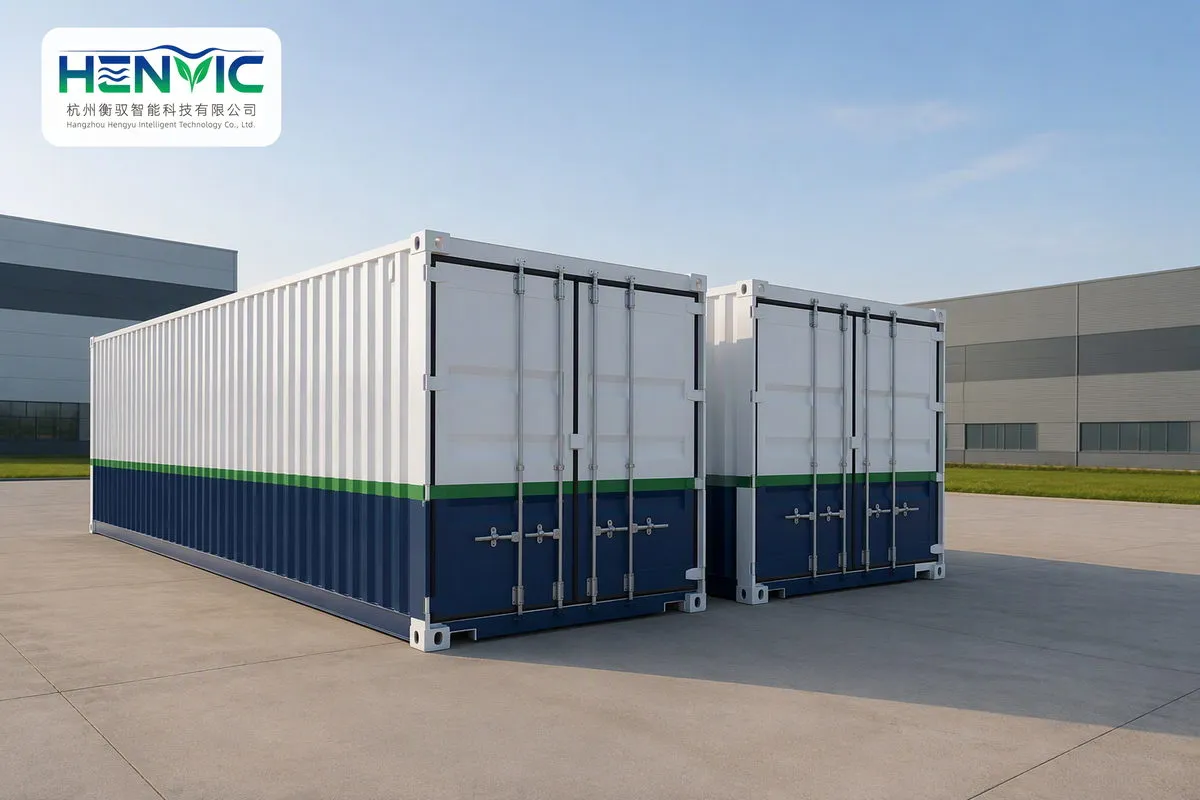
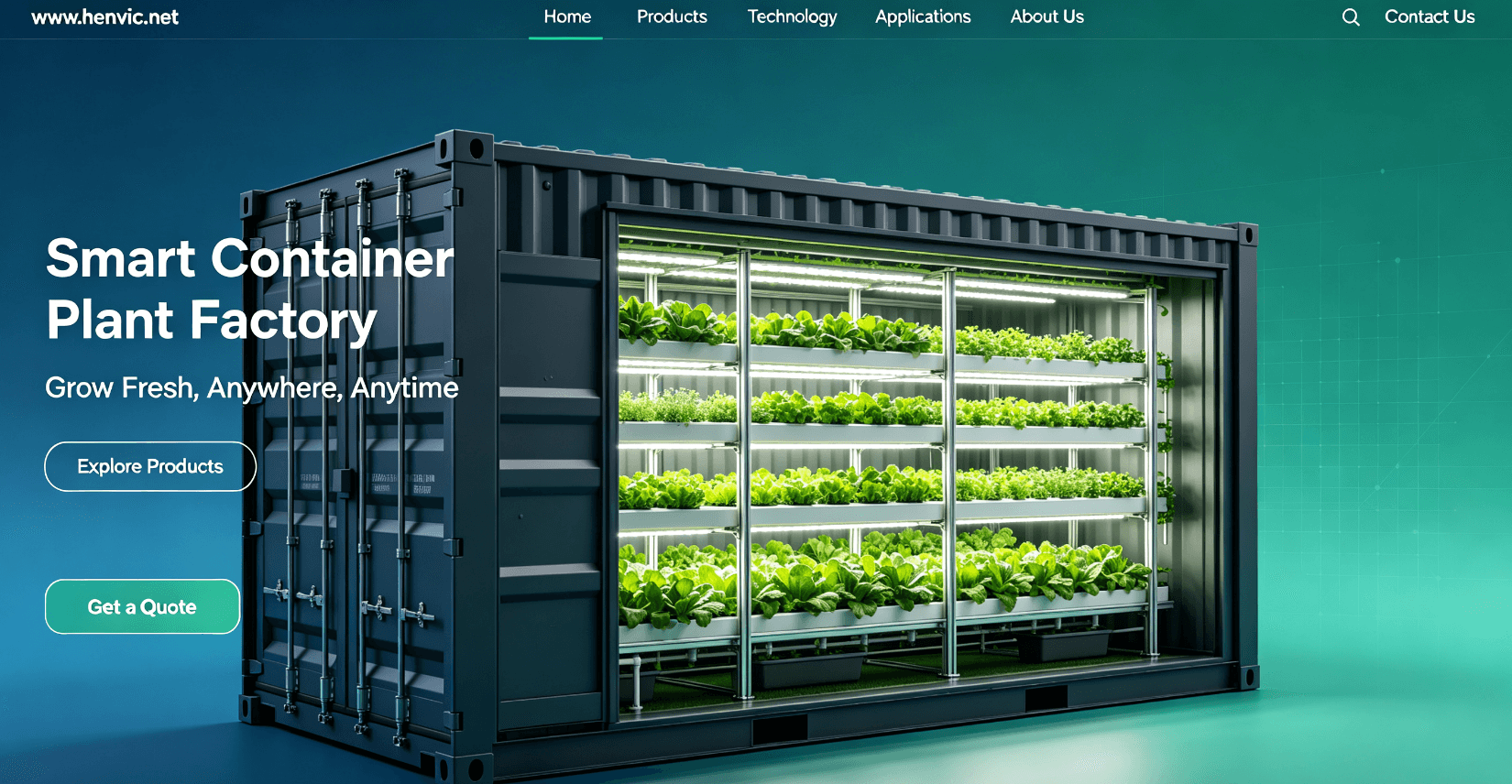
Baby bok choy, scientifically known as Brassica rapa subsp. chinensis, is a highly nutritious leafy green vegetable deeply rooted in Asian culinary traditions. Recognizing its health benefits and widespread popularity, modern urban agriculture and commercial farms increasingly turn to containerized cultivation. By employing enclosed, climate-controlled shipping containers or specialized agricultural modules, growers can produce fresh, pesticide-free baby bok choy year-round, regardless of external weather conditions or geographical constraints. This guide outlines the essential knowledge and techniques for successfully cultivating baby bok choy in a container environment.
2. The Advantages of Container Farming for Baby Bok Choy
Container farming offers profound benefits that perfectly align with modern agricultural demands:
- Absolute Environmental Control: Containers provide a sealed ecosystem. This protects the greens from pests, wild diseases, heavy rains, and extreme temperatures, ensuring a consistent, high-quality crop.
- Year-Round Production: By manipulating internal climate conditions, growers can achieve uninterrupted harvest cycles, eliminating seasonal downtime and securing a steady supply for the market.
- High Space Efficiency: Containers allow for vertical farming through multi-tiered racking. This maximizes yield per square meter, making it highly suitable for urban areas with limited space.
- Resource Conservation: Closed-loop systems, particularly hydroponics, recycle water and nutrients significantly more efficiently than traditional soil farming, saving thousands of liters of water.
- Food Safety: Growing in a controlled, soil-free environment virtually eliminates soil-borne pathogens and residual pesticides, producing safe, clean, premium produce.
3. Key Technological Components of a Bok Choy Container
A successful baby bok choy container relies on a harmonized system of technologies:
- Climate Control System: The container is insulated and equipped with HVAC (Heating, Ventilation, and Air Conditioning) units to maintain an optimal temperature range of 15°C to 20°C, which is ideal for baby bok choy.
- Lighting System: Full-spectrum LED grow lights are installed to simulate natural sunlight. These lights mimic the day-night cycle, ensuring the plants photosynthesize efficiently without excess heat.
- Hydroponic/Aeroponic System: Since containers do not use traditional soil, baby bok choy is typically grown using hydroponic systems. Plants are placed in grow trays and fed a nutrient-rich solution directly to their roots. This method accelerates growth and prevents soil compaction.
- Irrigation and Climate Automation: IoT (Internet of Things) sensors continuously monitor internal parameters such as CO2 levels, pH, electrical conductivity (EC), light intensity, and humidity. Automated systems adjust nutrient delivery and climate settings autonomously.
4. The Cultivation Process
Step 1: Seed Germination
High-quality, fast-maturing baby bok choy seeds are selected. Seeds are sown in germination trays filled with inert growing media like rockwool or peat plugs. The seeds usually germinate within 24 to 48 hours under warm, humid conditions inside the container.
Step 2: Transplanting
Once the seedlings develop two to three true leaves, they are carefully transplanted into the main hydroponic racks of the container. This minimizes transplant shock and ensures uniform growth.
Step 3: Growth Management
During the vegetative phase, the automated system maintains a consistent temperature between 15°C and 20°C and a relative humidity of 60% to 70%. The hydroponic solution is precisely formulated, providing essential macronutrients like nitrogen, which promotes lush, healthy green leaves.
Step 4: Harvesting
Baby bok choy has a fast growth cycle, typically taking only 25 to 35 days from seed to harvest in a perfectly controlled environment. The leaves are harvested at the mature "baby" stage, just before the plant begins to bolt (flower). Harvesting is done manually or with the help of automated robotic arms to preserve the delicate texture of the leaves.
5. Daily Maintenance and Quality Control
Even in an automated environment, daily oversight is crucial.
- System Check: Growers must monitor the performance of the HVAC, lighting, and hydroponic pumps to ensure they are operating smoothly and to prevent any mechanical failures.
- Nutrient Adjustment: The pH and EC levels of the nutrient solution need regular testing. Baby bok choy thrives in a slightly acidic to neutral pH range (6.0 - 6.5).
- Pest Management: Although the container's sealed nature minimizes pests, routine inspection is necessary. If insects or fungi appear, integrated pest management (IPM) strategies using natural predators or organic sprays are employed to maintain organic certification.
6. Economic and Ecological Outlook
Container farming for baby bok choy significantly reduces the carbon footprint associated with long-distance transportation. By locating farms near urban centers, the time from harvest to consumer is dramatically shortened, preserving freshness and nutritional value. While the initial investment in a fully automated container is relatively high, the high yield, rapid turnover, and premium price for clean produce ensure a strong return on investment over time.
7. Conclusion
Cultivating baby bok choy in a container is a testament to the power of modern controlled environment agriculture. It bridges the gap between sustainability and efficiency, allowing urban populations and commercial markets to access fresh, nutrient-dense leafy greens 365 days a year. As technology continues to advance and equipment costs become more accessible, containerized baby bok choy farming will undoubtedly play a pivotal role in the future of urban agriculture and food security.