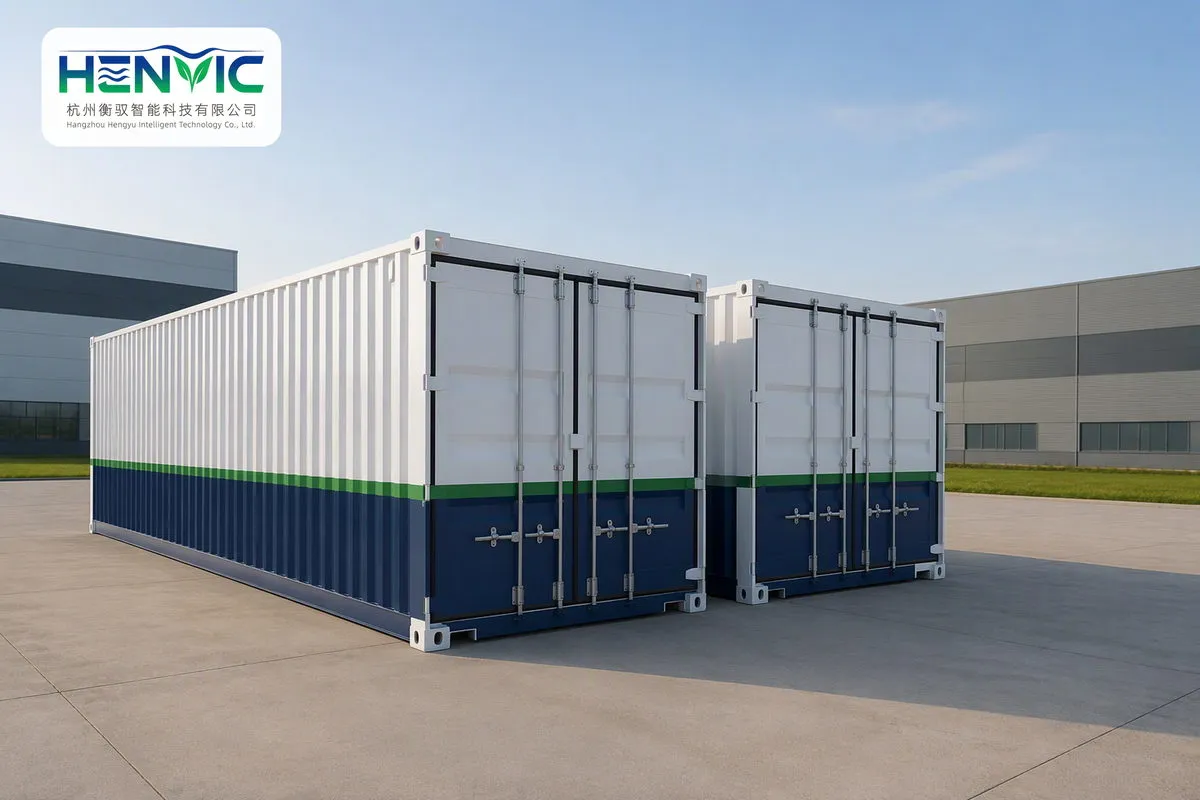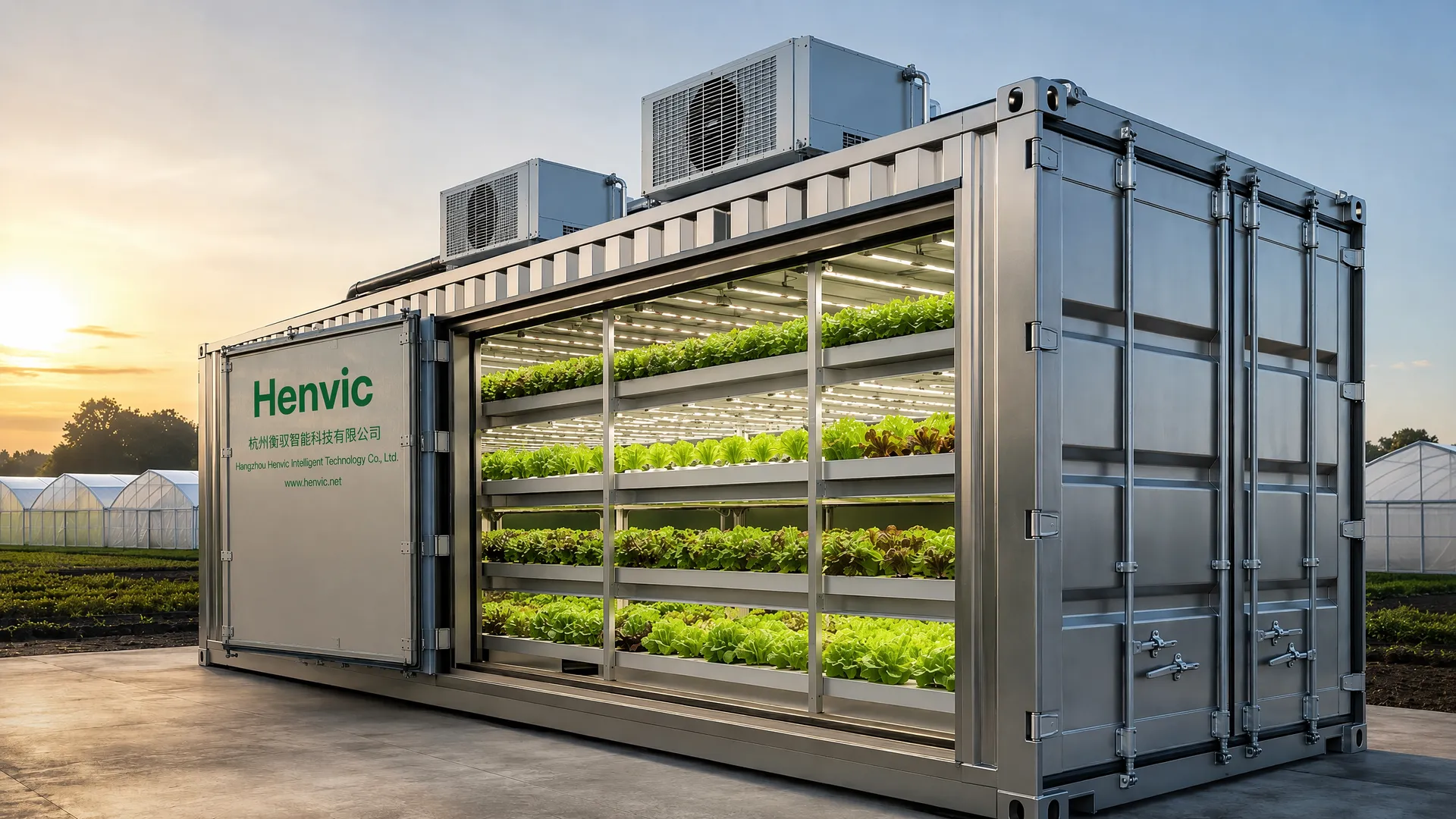
In an era when arable land is rapidly dwindling and environmental pressures on traditional agriculture are escalating, a new agricultural revolution is quietly unfolding. Containerized vegetable cultivation technology has emerged as an innovative solution, effectively transforming ordinary shipping containers into highly efficient, automated production centers for urban agriculture. This shift not only enhances production efficiency but also provides sustainable solutions for cities facing severe food security challenges.
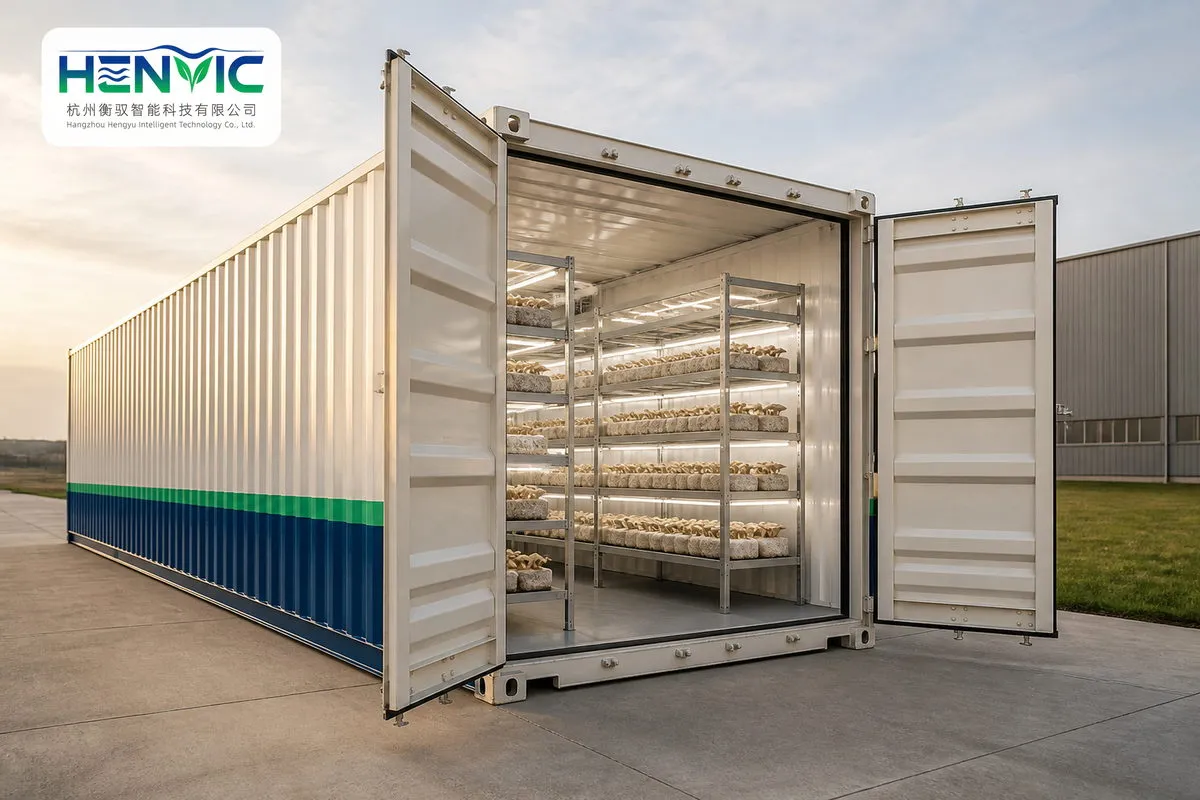
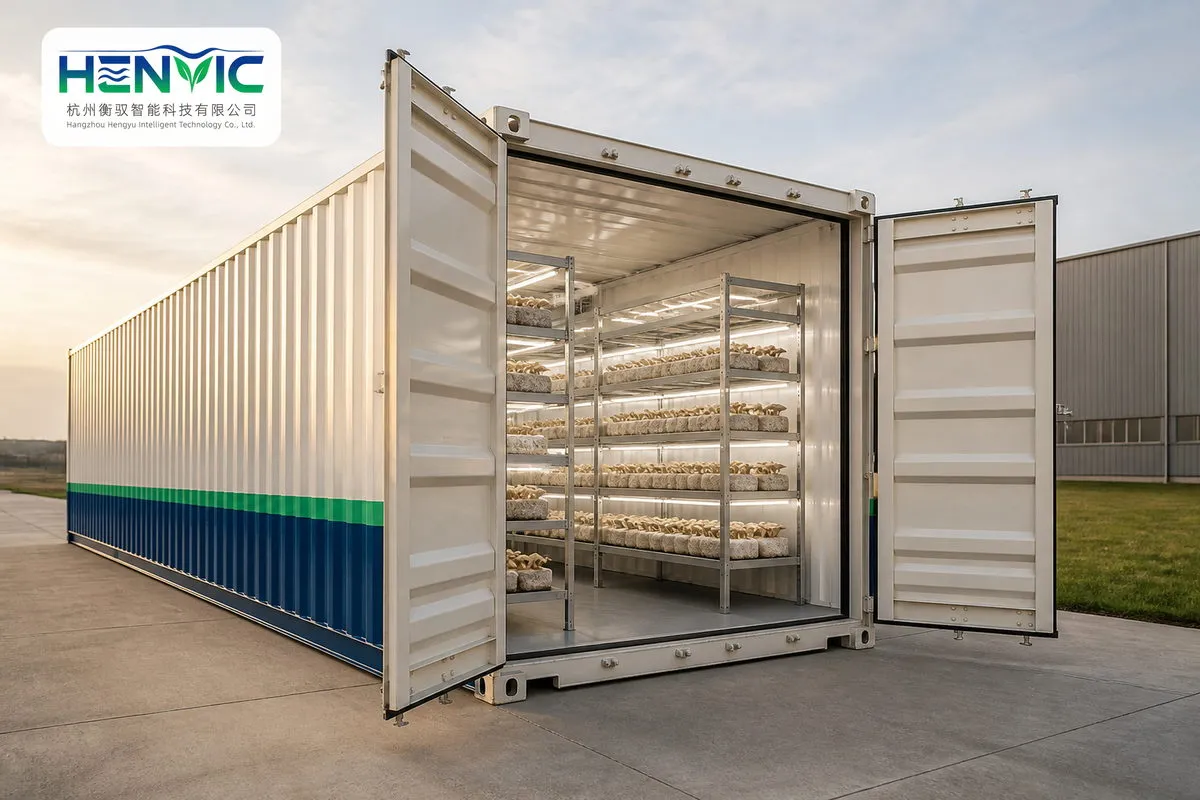
Unlike classic open-field cultivation, containerized vegetable farming leverages intelligent environmental control systems, advanced irrigation techniques, and innovative cultivation methods to ensure precise management of every aspect of plant growth. Within the limited space of a shipping container, vertical farming techniques are employed, maximizing spatial utilization. Configurations such as multi-tiered growing racks and specialized LED lighting systems provide uniform illumination, significantly accelerating plant growth. Advanced sensor equipment continuously monitors key parameters—such as temperature, humidity, light intensity, and nutrient levels—enabling precise adjustments.
"By integrating cutting-edge agricultural technology and automation, we can create stable, efficient, and eco-friendly production environments," explains Dr. Sarah Chen, an agricultural engineering expert. "Containerized farming allows us to produce fresh vegetables rapidly where urban populations are concentrated, greatly reducing miles traveled by food."
One of the most significant advantages of this technology lies in its remarkable water efficiency. Through advanced hydroponic or aeroponic systems, nutrient-rich water is continuously recycled, drastically reducing water consumption compared to traditional soil farming. Moreover, the enclosed nature of the environment effectively prevents pest infestations, reducing the need for pesticides and yielding vegetables free from harmful chemical residues. This closed-loop model also minimizes environmental impact by transforming urban spaces—such as parking lots, derelict buildings, and rooftops—into productive farms.
There are already remarkable real-world success stories. For instance, at GreenCity Farms, the first commercial-scale container vegetable farm deployed in a North American urban center, engineers and agronomists collaborated closely on design and implementation. Taking advantage of container-based cultivation, they successfully transformed a central urban parking lot into a highly productive leafy greens facility. With intelligent watering and air circulation systems, the farm currently produces up to 15,000 kilograms of fresh greens monthly, reliably supplying local markets and restaurants on a daily basis.
Looking ahead, the potential for containerized vegetable cultivation technology is immense. As urbanization accelerates, the integration of artificial intelligence and IoT is expected to make this system even more automated and intelligent. Its rapid deployment and scalability ensure that it can meet the vegetable supply demands of communities worldwide, paving the way for a more sustainable and resilient agricultural future.
Ultimately, containerized vegetable cultivation technology opens the door to greener and smarter urban agriculture. It has paved a groundbreaking path toward high-efficient food production systems, meaning that, in the near future, fresh vegetables might simply be produced just steps away from our kitchens.