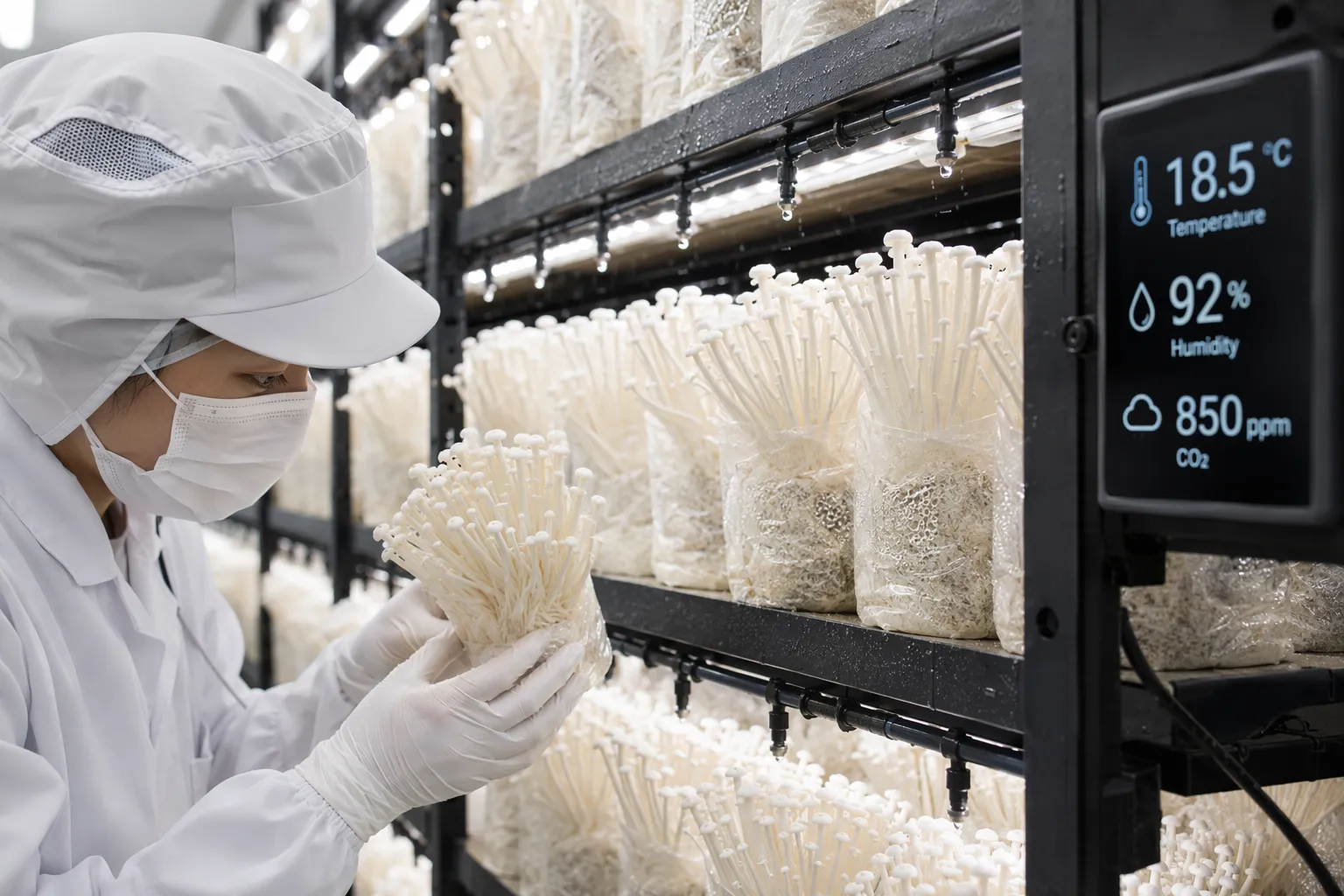
Industry Knowledge of Large-Scale Fruit and Vegetable Cultivation Containers
The cultivation of fruit and vegetables is crucial to meet the dietary needs of people worldwide. In recent years, the concept of large-scale fruit and vegetable cultivation containers has been gaining significant attention. This approach combines advanced technology with efficient agricultural practices to address various challenges in traditional cultivation methods.
1. Basic Concept and Structure
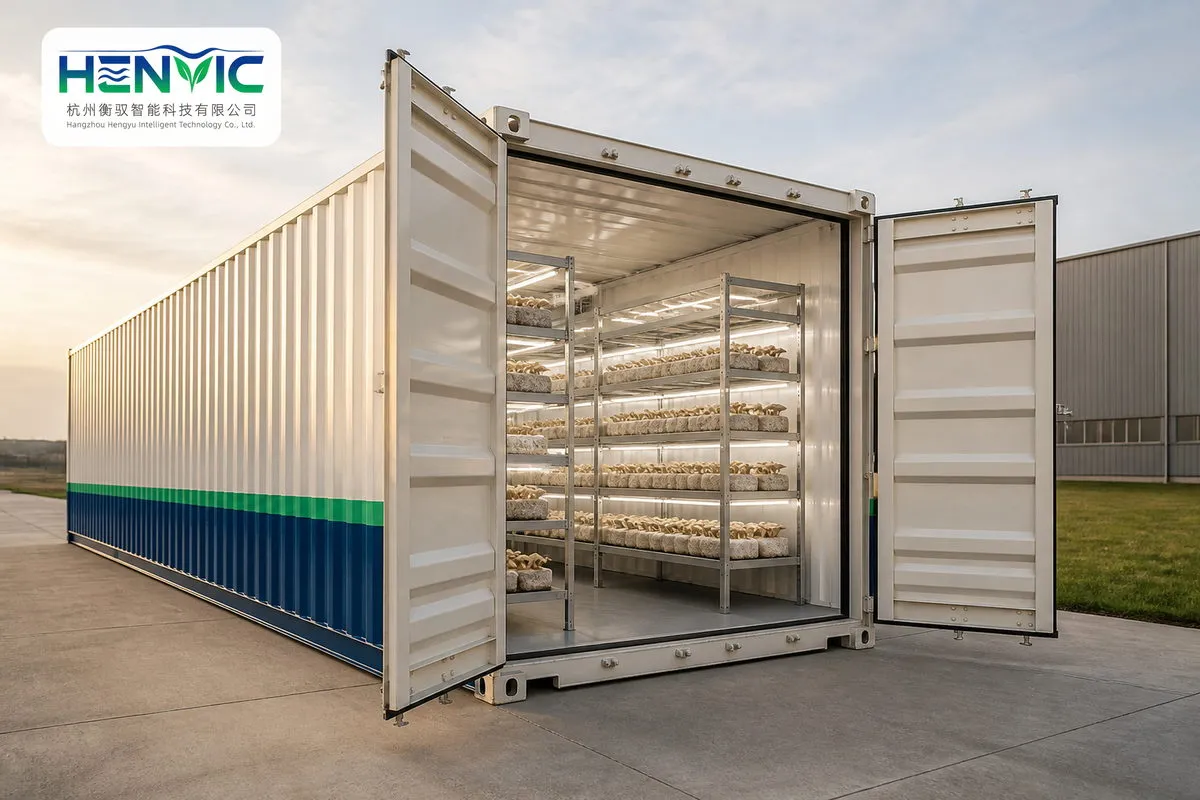
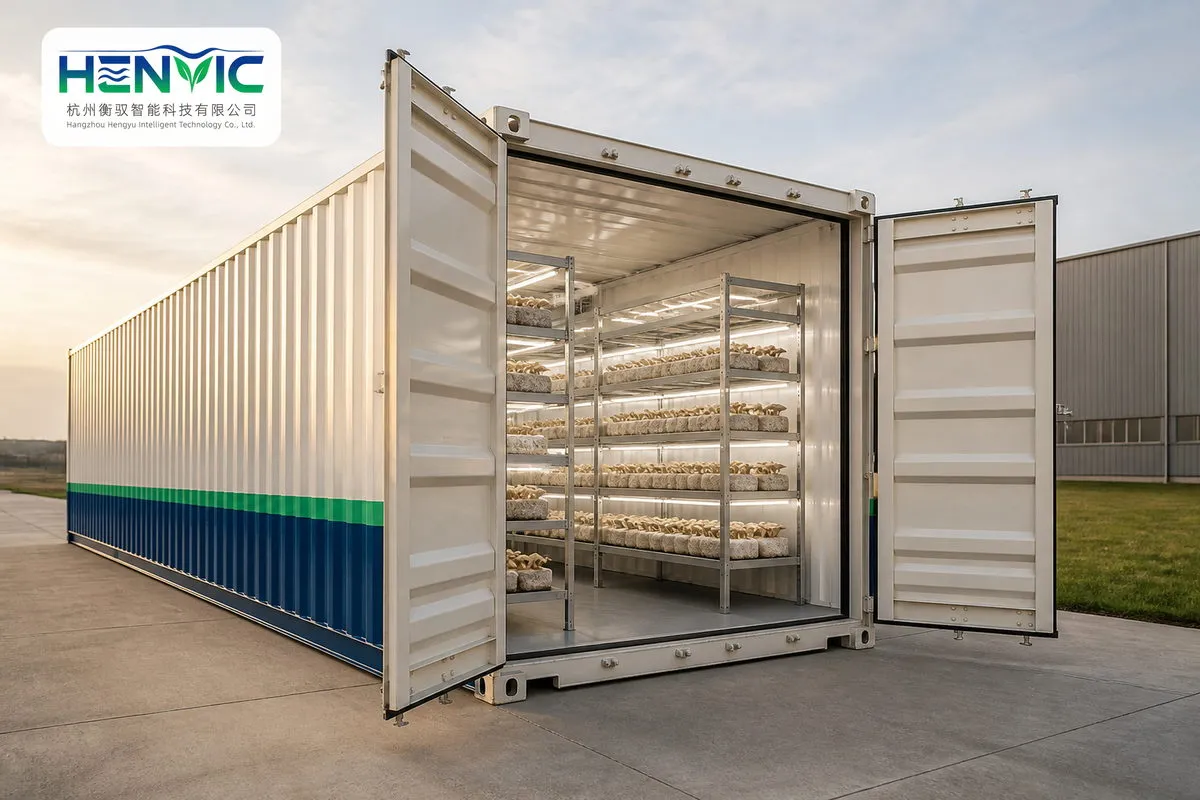
Large-scale fruit and vegetable cultivation containers are specialized units designed to create an optimal environment for plant growth. These containers are equipped with advanced systems to control environmental factors crucial for plant development.
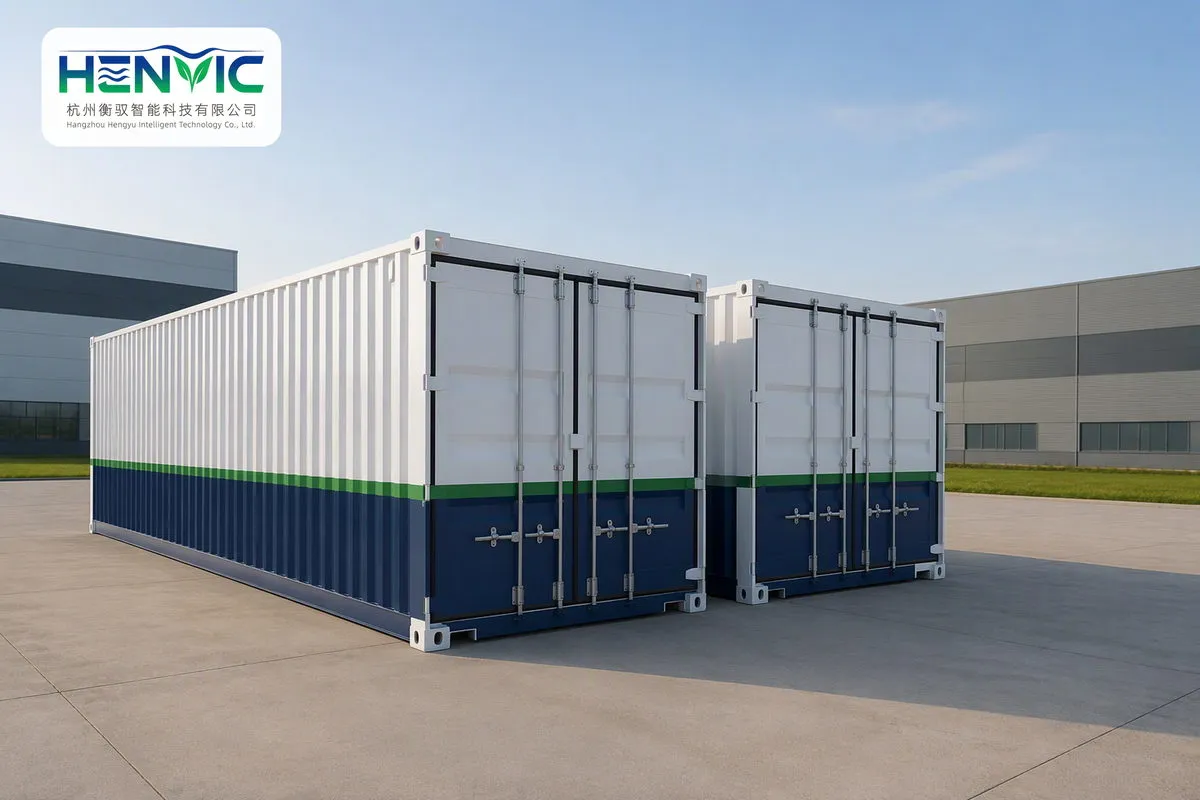
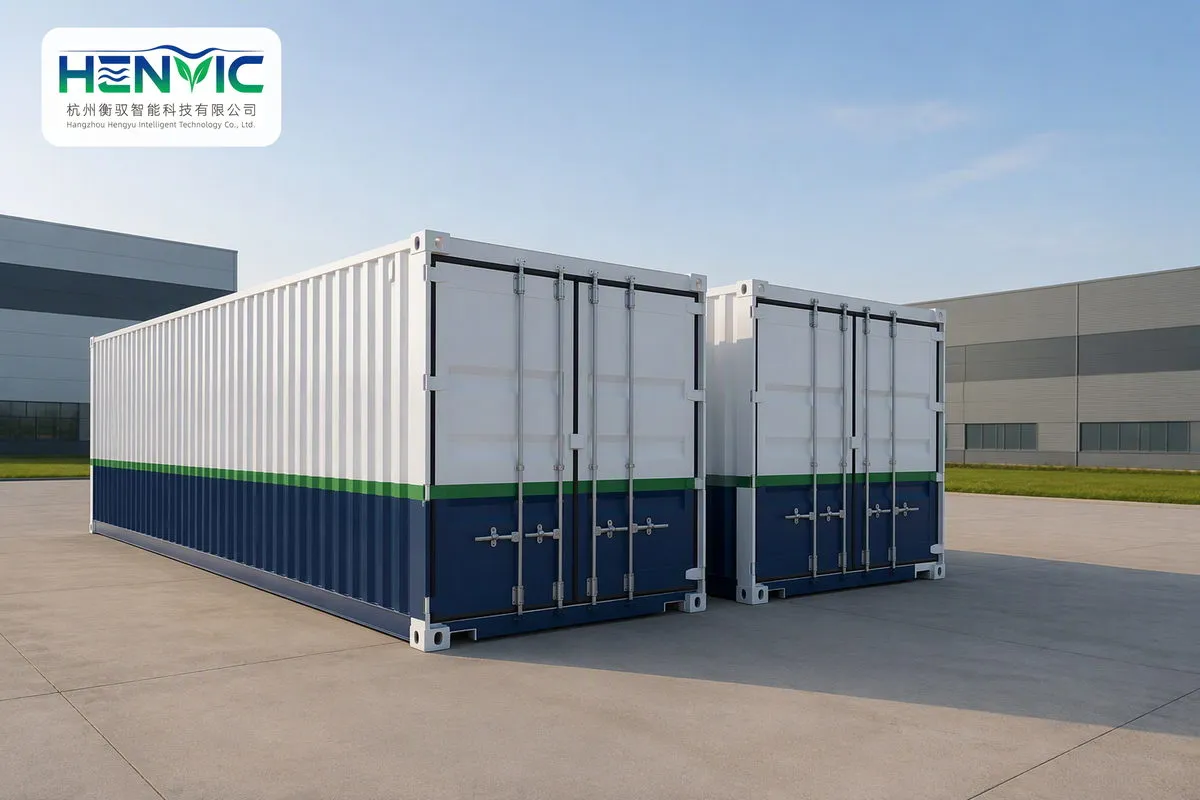
The basic structure of a cultivation container usually consists of a sturdy outer shell, often made from high-quality materials that provide insulation and protection. Inside, there are layers to support the growth medium and plants. It typically includes a sophisticated irrigation system to ensure the correct amount of water and nutrients are delivered to the roots of the plants. Moreover, ventilation systems are installed to maintain proper air circulation, regulating temperature and humidity levels. Solar panels can be installed on the top to provide sustainable energy for the operation of internal devices.
2. Technical Aspects
Environmental Control Systems
Temperature control is a key aspect. The container is fitted with sensors that constantly monitor the internal temperature. Heating and cooling devices are then activated as needed to keep the temperature within the specific range required by different fruit and vegetable varieties. For example, leafy greens like lettuce prefer cooler temperatures, while warm-season crops like tomatoes thrive in warmer conditions. The containers are also designed with efficient ventilation systems that help regulate humidity. When humidity is too high, modern ventilation systems can quickly adjust to bring the level back to an optimal range. The ventilation also ensures a steady supply of fresh air, which is crucial for plant respiration and the prevention of diseases caused by stagnant air.
Lighting systems play a vital role.Artificial lights with specific spectra tailored to plant growth are installed. These lights simulate natural sunlight and can be set to provide the required light intensity and duration. For indoor container cultivation, LED lighting is a popular choice due to its energy efficiency and ability to provide targeted light wavelengths. They can be adjusted to promote different stages of growth, from seeding to maturity.
Automated Nutrient Delivery
The containers use a precise nutrient delivery system based on hydroponic or aeroponic techniques. In hydroponics, plants are grown in a nutrient-rich water solution, while in aeroponics, a mist of nutrient solution is sprayed onto the plant roots. These systems are automated and can provide a balanced mix of essential nutrients such as nitrogen, phosphorus, potassium, and micronutrients. The automation ensures that the plants receive the right nutrients at the right time, reducing the risk of nutrient deficiencies or excesses, which can negatively affect plant health and yield. This precision nutrient delivery also significantly reduces water usage compared to traditional cultivation methods.
3. Advantages in Cultivation
Increased Production Efficiency
Large-scale containers enable intensive and continuous production. By optimizing environmental conditions, the growth cycles of fruit and vegetables can be shortened. There are many examples of farmers who have successfully increased the number of harvests per year by using these containers. For instance, the controlled environment allows the cultivation of multi-layer crops, maximizing the use of vertical space, and further boosting yield per unit area. In some experimental models, the yield of certain vegetables like cucumbers in the container can be several times higher than that in a traditional greenhouse. The use of high-quality seeds and advanced cultivation techniques within the containers also contributes to the improved production efficiency.
Resource Conservation
Firstly, the container's insulation and efficient use of resources such as water and energy contribute to conservation. The automated irrigation system minimizes water wastage, making it an ideal solution for regions with water scarcity. Secondly, the controlled environment reduces the need for pesticides and fertilizers compared to open - field cultivation, as the risk of pests and diseases is better managed. This not only lowers production costs but also reduces environmental pollution.
Adaptability and Flexibility
Large-scale fruit and vegetable cultivation containers can be set up in various locations, including urban areas and arid regions where traditional farming may be challenging. They can be easily relocated or expanded as needed. In urban settings, they can be placed on rooftops or in vacant lots, bringing fresh produce closer to consumers and reducing transportation costs and carbon emissions. In arid or semi - arid regions, the container can create a favorable microclimate for plant growth, making cultivation possible where it was previously not feasible.
4. Applications and Market Trends
Currently, these containers are widely used in commercial vegetable and fruit production, such as large - scale greenhouse farming and urban agriculture projects. They are suitable for a variety of fruits and vegetables, including leafy vegetables, berries, peppers, and many more. The market for large-scale fruit and vegetable cultivation containers is growing rapidly, driven by the increasing demand for fresh, locally grown produce and the need for sustainable agricultural solutions. This industry is expected to continue evolving with technological advancements and an increasing focus on maximizing production and quality while minimizing environmental impact.
5. Challenges and Countermeasures
One of the main challenges is the high initial investment cost, which includes purchasing the containers and installing the necessary equipment. To overcome this, government subsidies, financial support from agricultural institutions, and the development of more cost - effective container models are being explored. There are also concerns about the technical complexity of these systems, which may require specialized knowledge for operation and maintenance. However, training programs and technical support services are being set up to address this issue.
In conclusion, the industry of large-scale fruit and vegetable cultivation containers is a promising and innovative sector in modern agriculture. Understanding its technical aspects, advantages, market trends, and challenges is essential for those involved in or interested in the field, as it continues to shape the future of fruit and vegetable production